SettleBuddy
Journal / moving

The Real Pros and Cons of Living in Estonia

By the SettleBuddy editorial teamUpdated 19 July 20268 min read

Estonia offers a vibrant digital economy, affordable housing, high safety, and excellent public services, but it also brings cold, dark winters, a limited job pool outside tech, and a language barrier for newcomers. Weigh these factors against your personal goals, and use a unified relocation platform like SettleBuddy to streamline the move.

Quick answer

Estonia offers a vibrant digital economy, affordable housing, high safety, and excellent public services, but it also brings cold, dark winters, a limited job pool outside tech, and a language barrier for newcomers. Weigh these factors against your personal goals, and use a unified relocation platform like SettleBuddy to streamline the move.

What makes Estonia an attractive destination?

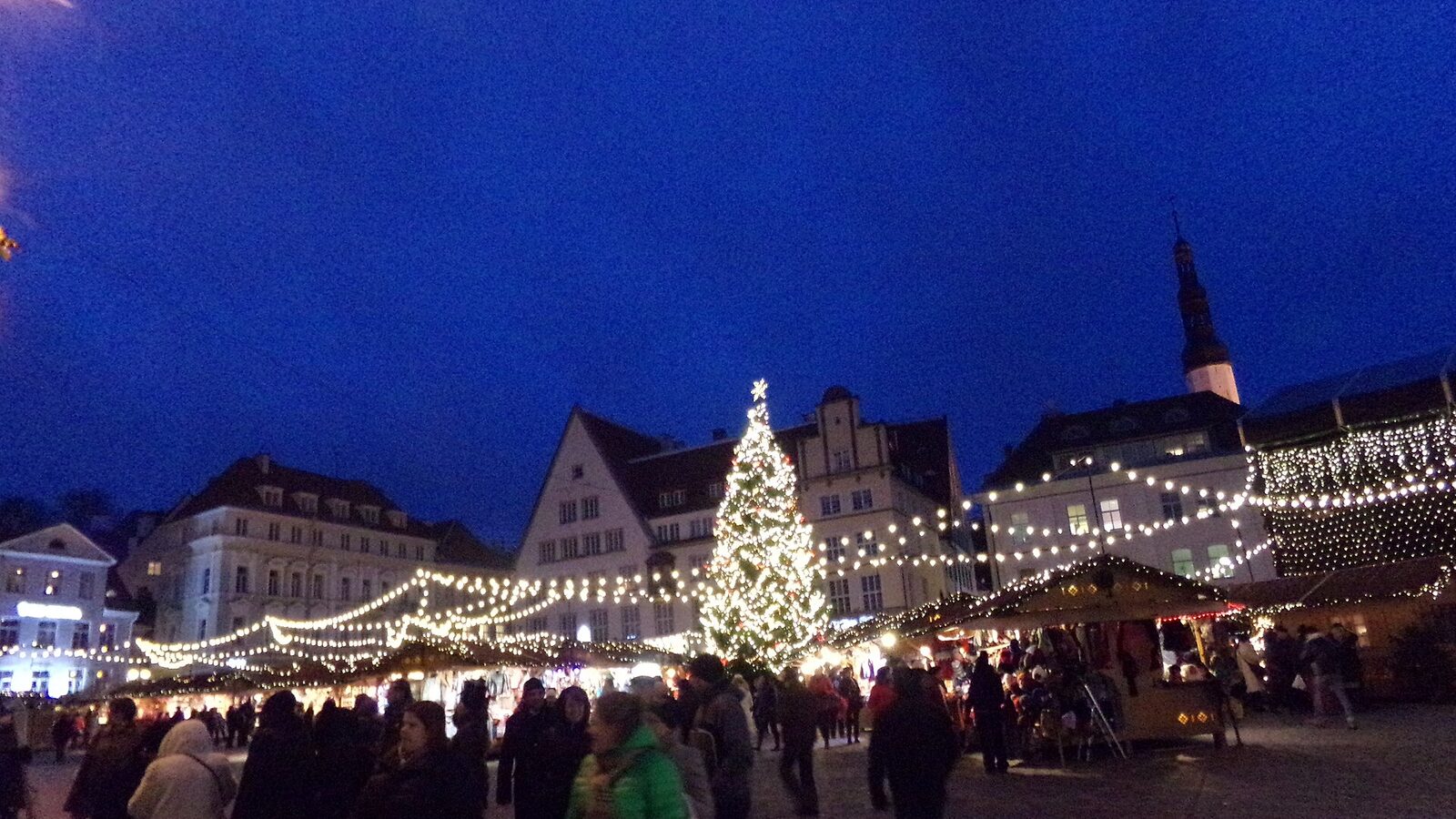
Estonia’s capital, Tallinn, consistently ranks among Europe’s most livable cities thanks to its blend of historic charm and modern innovation. The country’s e‑government services, low crime rates, and strong emphasis on work‑life balance attract digital nomads and families alike. Public transport is reliable, and the compact size means you can reach the coast, forests, and neighboring capitals within an hour, fostering a sense of accessibility that many larger nations lack.

Beyond its capital, Estonia’s smaller towns such as Tartu and Pärnu offer a slower pace while still providing high‑speed internet and cultural amenities. The nation’s commitment to sustainability is evident in its extensive bike lanes and abundant green spaces, which encourage outdoor recreation year‑round. For those who value environmental stewardship, Estonia’s policies on renewable energy and waste reduction serve as a compelling draw.

From a governance perspective, Estonia’s transparent tax system and straightforward business registration process make it a hotspot for startups. The country’s flat income tax rate of 20 % and digital‑first bureaucracy reduce administrative friction, allowing entrepreneurs to focus on growth rather than paperwork. This business‑friendly climate fuels a thriving tech scene, further enhancing the country’s appeal to skilled professionals.

How strong is the job market for expats?

Estonia’s economy is heavily weighted toward information technology, cybersecurity, and fintech, sectors that regularly seek English‑speaking talent. Companies like TransferWise (now Wise) and Bolt have established regional hubs, creating a pipeline of roles ranging from software development to product management. For non‑technical professionals, opportunities exist in education, tourism, and multinational corporate services, though competition can be stiffer.

The average salary in Tallinn hovers around €1,500–€2,000 net per month for mid‑level positions, which aligns with the country’s lower cost of living. While wages may appear modest compared to Western Europe, the purchasing power is amplified by affordable housing and public services. Moreover, many employers offer flexible remote‑work arrangements, allowing you to earn a higher salary from abroad while residing in Estonia.

Job seekers should prepare a localized CV and be ready for competency‑based interviews, which often emphasize practical problem‑solving over formal qualifications. Leveraging professional networks such as the Estonian Business Angels Network (EBAN) or attending meet‑ups in the Tallinn Tech Hub can dramatically increase visibility. SettleBuddy’s Career AI can match your skill set with openings, shortening the search timeline.

What are the costs of housing and daily life?

Housing in Estonia is markedly cheaper than in neighboring Scandinavia. A one‑bedroom apartment in central Tallinn typically rents for €500–€700, while comparable units in the suburbs drop to €350–€500. Purchasing property is also accessible; a modest flat can be acquired for €70,000–€100,000, offering an attractive entry point for long‑term residents seeking equity growth.

Daily expenses such as groceries, public transport, and utilities remain reasonable. A standard grocery basket for two adults averages €250–€300 per month, while a monthly public transport pass in Tallinn costs €30. Utilities—including electricity, heating, and internet—run about €80–€120, depending on season. These figures collectively allow a comfortable lifestyle on a modest budget.

When budgeting, consider seasonal heating costs, which can add €30–€50 to monthly utility bills during winter. Additionally, while dining out is affordable, premium restaurants in tourist districts may charge €15–€25 per entrée. By planning expenses and taking advantage of local markets, you can maintain a balanced budget while enjoying Estonia’s high quality of life.

How does the education system and language environment affect newcomers?

Estonia boasts a strong public education system, with compulsory schooling from ages 7 to 16. Schools follow a curriculum aligned with the European Framework, and many institutions offer bilingual instruction in Estonian and English, especially in urban areas. International schools, such as Tallinn English College, provide full‑English programs for expatriate families, ensuring continuity in academic standards.

While Estonian is the official language, the population’s English proficiency is high—especially among younger generations and professionals. Language Lab, SettleBuddy’s AI‑driven platform, offers targeted lessons that accelerate conversational fluency, making everyday interactions smoother. Mastering basic Estonian phrases (e.g., “Tere” for hello and “Aitäh” for thank you) demonstrates cultural respect and often leads to warmer community integration.

For families with children, the transition is smoother when schools incorporate language support services. Many primary schools run immersion programs that help non‑native speakers catch up quickly. Additionally, the government provides free after‑school tutoring for students needing extra help, which can be a valuable resource for newcomers adjusting to a new academic environment.

What level of healthcare can residents expect?

Estonia’s healthcare system is universal, publicly funded, and consistently ranked among the top in the Baltic region. Residents receive access to primary care physicians, specialist referrals, and hospital services without direct fees, though co‑payments for certain prescriptions exist. The e‑Health platform enables patients to view records, schedule appointments, and request prescriptions online, streamlining the care journey.

Private clinics supplement public services, offering shorter wait times and specialized treatments, particularly in dental and cosmetic fields. Insurance plans—often employer‑provided—cover a broad range of private services, giving expatriates flexibility. Emergency services are reliable, with a single national emergency number (112) connecting callers to ambulance, fire, or police assistance instantly.

For those with chronic conditions, Estonia’s digital health records allow seamless data sharing between providers, reducing duplication of tests. Moreover, the country’s emphasis on preventive care includes regular health screenings at low cost. When relocating, it’s advisable to register with a local family doctor within two weeks of arrival to fully activate your benefits.

How does Estonia’s digital ecosystem compare to other countries?

Estonia’s reputation as a digital pioneer is anchored by its e‑Residency program, fully online company registration, and nationwide digital ID. These services empower residents and remote workers to conduct business, sign contracts, and file taxes without ever visiting a government office. The integration of these tools creates a seamless experience that few other nations can match.

Below is a quick comparison of Estonia’s core digital services against typical offerings in other EU countries:

Digital Service Typical Cost Availability e‑Residency Card €100 (one‑time) Online application, 2‑4 weeks processing Digital ID (ID‑kaart) €25 (renewal) In‑person issuance, valid 5 years Online Tax Filing Free Year‑round via e‑Tax portal Electronic Health Record Access Free Through Patient Portal, real‑time

The table illustrates that many essential services are either free or low‑cost, reinforcing Estonia’s commitment to accessibility. By contrast, neighboring countries often require separate portals, physical paperwork, or higher fees for comparable functions. This digital advantage translates into time savings, especially for newcomers juggling visa paperwork, housing contracts, and job onboarding.

What are the climate and lifestyle considerations?

Estonia experiences a temperate continental climate, marked by cold, dark winters and mild summers. From November to February, daylight can dip below six hours, and temperatures frequently hover around −5 °C to −10 °C. Winter sports such as cross‑country skiing and ice‑fishing are popular, and many residents embrace the cozy concept of “hygge” to counteract the gloom.

Summers, though brief, are vibrant; June through August brings temperatures ranging from 18 °C to 24 °C, with long daylight hours that encourage outdoor festivals, beach visits along the Baltic Sea, and extensive hiking in national parks. The seasonal contrast offers a dynamic lifestyle, but newcomers should prepare for the adjustment period associated with prolonged cold periods.

Culturally, Estonians value personal space, punctuality, and a low‑key social scene. While the population is small—just over 1.3 million—community events, such as Song Festival celebrations, provide opportunities to connect. Engaging in local clubs, language groups, or volunteer projects can accelerate integration and help you experience the country’s rich traditions.

What immigration steps are required and how can SettleBuddy simplify them?

Non‑EU citizens typically need a temporary residence permit for work, study, or family reunification. The application involves gathering proof of employment, sufficient financial means, health insurance, and a clean criminal record. Processing times vary from four to eight weeks, and the process is fully digital via the Estonian Police and Border Guard Board portal.

Because immigration procedures are highly regulated, it’s essential to consult a licensed immigration attorney for definitive legal advice. However, SettleBuddy’s Visa AI can guide you through document checklists, offer timeline projections, and generate personalized reminders, ensuring you never miss a deadline. The platform also integrates with Estonia’s e‑Residency portal, allowing you to start business registration while your residence permit is pending.

Once approved, you’ll receive a digital residence card that can be stored on your smartphone, granting access to public services and the ability to open bank accounts. SettleBuddy’s Housing AI then assists in finding lease agreements that meet residency requirements, linking the visa and housing steps into a single, coherent workflow.

Should you move to Estonia? Balancing the pros and cons

Weighing Estonia’s advantages—digital efficiency, affordable living, safety, and a thriving tech scene—against its challenges—cold winters, a relatively small job market outside of tech, and language adaptation—depends on personal priorities. If you value a streamlined bureaucratic experience and enjoy a compact, nature‑rich environment, the scale tips toward a positive relocation outcome.

Conversely, if you require a broad spectrum of career options beyond technology, or you are sensitive to limited daylight, you may need to mitigate those drawbacks through remote work arrangements or strategic seasonal travel. Using a comprehensive relocation OS like SettleBuddy can help you align each aspect—language learning, visa management, housing, and career planning—into a cohesive strategy, reducing friction and enhancing overall satisfaction.

Ultimately, the decision rests on how well Estonia’s unique blend of modernity and tradition aligns with your life goals. By approaching the move methodically—leveraging digital tools, planning finances, and engaging with the local community—you can transform potential obstacles into opportunities for growth.

Where SettleBuddy comes in

SettleBuddy is the AI relocation OS for your whole move — language, visas, housing and career in one place. This part of the move is handled by SettleBuddy: the AI relocation OS for your whole move — language, visas, housing and career.

Explore SettleBuddy →

Key takeaways

FAQ

Do I need to speak Estonian to find a job?

Many tech and multinational companies operate in English, so fluency isn’t mandatory, but learning basic Estonian improves daily life and expands local opportunities.

How long does the residence permit process usually take?

Processing typically ranges from four to eight weeks, though timelines vary by permit type and individual circumstances.

Is healthcare free for expats?

Public healthcare is covered for residents once you register with a local doctor; some services may require small co‑payments, while private care is optional.

Can I start a business while waiting for my visa?

Yes—Estonia’s e‑Residency allows you to register a company online, and SettleBuddy can help you coordinate the process alongside your visa application.

© 2026 SettleBuddy Technologies JournalLanguage LabInstagramFacebookXImprint