SettleBuddy
Journal / moving

Mexico Relocation: 15 Things to Know Before You Move

By the SettleBuddy editorial teamUpdated 19 July 20268 min read

Before moving to Mexico, research visa categories, budget for a lower cost of living, secure housing in a safe neighborhood, learn basic Spanish, arrange health insurance, set up banking, understand cultural norms, and follow a detailed timeline. Using a single platform like SettleBuddy can coordinate language learning, visa paperwork, housing search, and career planning for a seamless transition.

Quick answer

Before moving to Mexico, research visa categories, budget for a lower cost of living, secure housing in a safe neighborhood, learn basic Spanish, arrange health insurance, set up banking, understand cultural norms, and follow a detailed timeline. Using a single platform like SettleBuddy can coordinate language learning, visa paperwork, housing search, and career planning for a seamless transition.

Why Mexico is a top destination for movers

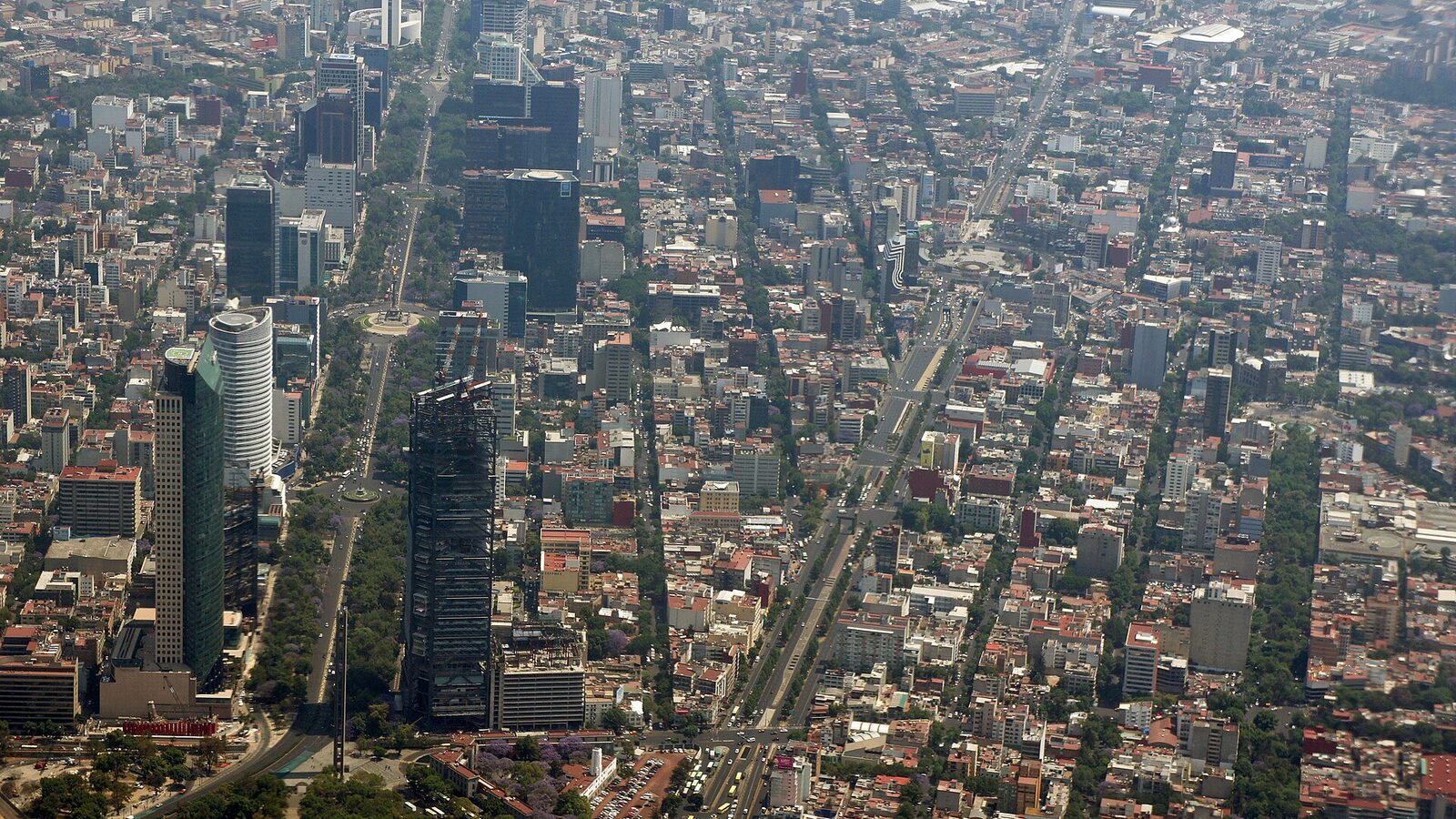
Mexico consistently ranks among the most attractive expat destinations because of its blend of affordable living, vibrant culture, and proximity to the United States. Major cities such as Mexico City, Guadalajara, and Monterrey offer modern infrastructure, while coastal towns like Playa del Carmen provide a relaxed lifestyle. Many newcomers cite the warm climate and diverse culinary scene as key draws, making it easy to feel at home while exploring new experiences.

Economic stability and a growing tech sector mean that qualified professionals can find opportunities in fields ranging from software development to renewable energy. The government has introduced incentives for foreign investors and remote workers, creating pathways for longer stays. Additionally, the extensive public transportation networks in larger cities reduce the need for a personal vehicle, further lowering daily expenses.

Safety considerations vary by region, but most expatriate communities thrive in neighborhoods with active local associations and regular police patrols. Researching crime statistics and joining expat forums can provide real‑time insights. Overall, Mexico offers a balance of modern amenities and traditional charm, making it a compelling choice for those seeking both career growth and quality of life.

What visa and residency options exist for newcomers?

Mexico provides several visa categories tailored to different lengths of stay and purposes, from tourism to work and investment. The most common entry point is the Tourist Visa, which allows stays up to 180 days without a formal work permit. For longer-term residency, the Temporary Resident Visa covers stays up to four years and requires proof of income or a job contract.

If you plan to work for a Mexican employer or start a business, the Temporary Resident Visa with a work endorsement is required. After four years of temporary residency, you may apply for a Permanent Resident Visa, granting indefinite stay and access to most public services. All applications must be submitted through a Mexican consulate abroad before arrival.

Because immigration rules can shift, it is wise to consult a licensed immigration attorney for personalized guidance. SettleBuddy’s Visa AI module helps you gather the required documentation, tracks deadlines, and connects you with vetted legal professionals, ensuring you remain compliant while focusing on your move.

Visa TypeMaximum StayKey Requirement
Tourist VisaUp to 180 daysValid passport, proof of onward travel
Temporary ResidentUp to 4 yearsProof of monthly income or employment contract
Permanent ResidentIndefiniteFour years of temporary residency or significant investment

How much does everyday life cost in Mexico?

The cost of living in Mexico is generally lower than in the United States or most European nations, but it varies widely by city and lifestyle. A single expatriate can expect to spend between $800 and $1,200 USD per month on rent, utilities, groceries, and transportation in mid‑size cities like Puebla or Mérida.

Eating out is affordable, with a typical meal at a local taquería costing around $3 to $5 USD, while a three‑course dinner at a mid‑range restaurant may run $15 to $25 USD. Public transportation passes are often under $15 USD per month, and gasoline prices are comparable to U.S. rates, making car ownership viable if needed.

When budgeting, factor in health insurance premiums (often $50‑$150 USD per month), occasional international phone plans, and occasional travel back home. Using SettleBuddy’s Cost Planner tool can help you model monthly expenses, compare cities, and adjust your budget before you land.

Where should I look for housing and how does the rental process work?

Mexico’s rental market offers a mix of short‑term furnished apartments and long‑term unfurnished homes. In major metros, neighborhoods such as Condesa, Roma, and Polanco in Mexico City are popular among expats for safety, walkability, and vibrant social scenes. In coastal regions, areas like Zona Hotelera in Cancun provide beachfront options with tourist‑friendly amenities.

The typical lease term is twelve months, though many landlords accept six‑month agreements for foreign tenants. Required documents usually include a passport copy, proof of income (pay stub or bank statement), and a local guarantor or a larger security deposit, often equivalent to one month’s rent. Utilities are frequently billed separately, so ensure you understand average monthly costs before signing.

SettleBuddy’s Housing AI streamlines the search by filtering listings based on commute time, budget, and safety ratings. It also generates a personalized checklist of documents, helps negotiate lease terms, and connects you with bilingual property managers, reducing the friction that often accompanies international rentals.

What level of Spanish should I learn before arriving?

While many urban Mexicans speak English, everyday interactions—shopping, healthcare appointments, and bureaucratic paperwork—are conducted primarily in Spanish. Reaching at least a CEFR B1 level (intermediate) enables you to understand routine conversations, fill out forms, and ask for directions without frustration.

Focused language practice on practical topics such as housing vocabulary, medical terminology, and workplace idioms yields the quickest results. Learning common phrases for greetings, polite requests, and cultural niceties also helps build rapport with neighbors and colleagues, easing the social integration process.

Language Lab, the dedicated language‑learning engine within SettleBuddy, offers 15‑minute daily modules built around real relocation scenarios. By completing the tailored curriculum, you can progress from basic greetings to confident workplace discussions before you even set foot on Mexican soil.

How does Mexico’s healthcare system work for newcomers?

Mexico operates a dual healthcare system: a public network called Instituto Mexicano del Seguro Social (IMSS) and a robust private sector. Expats who obtain a work visa and contribute to IMSS gain access to affordable public care, with monthly contributions based on salary. However, many prefer private insurance for shorter wait times and English‑speaking doctors.

Private health insurance plans typically cost between $50 and $150 USD per month, depending on coverage level and age. These plans often include direct access to specialists, coverage for dental care, and international evacuation benefits. When selecting a plan, verify that it covers the regions where you intend to live, especially if you split time between inland cities and coastal resorts.

SettleBuddy’s Health AI helps you compare insurance providers, estimate out‑of‑pocket costs, and locate reputable clinics near your new home. It also stores your medical records securely, making it easy to share information with new healthcare providers.

What financial steps should I take before moving?

Opening a Mexican bank account streamlines everyday transactions like paying rent, utilities, and groceries. Most major banks require a valid passport, proof of address (often a utility bill), and a temporary resident visa. Some institutions also ask for a local tax identification number (RFC), which can be obtained after you have a stable address.

Understanding tax obligations is crucial. Mexico taxes residents on worldwide income, but tax treaties with many countries prevent double taxation. Consulting a cross‑border tax specialist early can help you structure your earnings, especially if you continue to receive income from your home country or work remotely.

Currency exchange platforms such as TransferWise (now Wise) are popular, but SettleBuddy’s Finance AI integrates real‑time exchange rates, suggests optimal transfer windows, and tracks your cash flow across borders, giving you a single view of both Mexican pesos and your home currency.

Which cultural norms should I respect to fit in smoothly?

Mexican culture values personal relationships and courteous interaction. A common greeting involves a handshake or a light cheek kiss, depending on the setting. Using “por favor” and “gracias” frequently signals respect, and addressing people by their first name after a brief rapport is customary.

Punctuality is flexible; social gatherings often start 15‑30 minutes after the stated time. However, business meetings usually adhere to scheduled times, so arriving on time demonstrates professionalism. Understanding the importance of “familia” can also guide workplace dynamics, as many employees prioritize family commitments.

Participating in local festivals—such as Día de los Muertos or Independence Day—offers a window into community values and helps you build friendships. SettleBuddy’s Community Hub connects you with local expat groups, cultural events, and mentors who can guide you through these traditions.

What timeline and checklist should I follow for a stress‑free relocation?

Begin the relocation process at least three months before your intended move date. During this period, secure your visa, arrange housing, and start language practice. A typical timeline includes: 12 weeks – gather documents and apply for visa; 8 weeks – finalize housing contract; 4 weeks – arrange international shipping and health insurance; 2 weeks – confirm utilities and set up banking.

Create a moving checklist that covers essential tasks such as canceling utilities at home, forwarding mail, obtaining an international driver's license, and packing an “essential box” with documents, chargers, and a few days of clothing. Digital tools like SettleBuddy’s Move Planner let you mark completed items and receive reminders, ensuring nothing slips through the cracks.

Finally, schedule a virtual orientation with SettleBuddy’s relocation advisor. They will review your visa status, confirm housing details, and provide a personalized welcome pack that includes local emergency numbers, public transport maps, and a short list of nearby grocery stores. This final step turns a complex move into a coordinated, confidence‑boosting experience.

Where SettleBuddy comes in

SettleBuddy is the AI relocation OS for your whole move — language, visas, housing and career in one place. This part of the move is handled by SettleBuddy: the AI relocation OS for your whole move — language, visas, housing and career.

Explore SettleBuddy →

Key takeaways

FAQ

Do I need a work permit to stay in Mexico for more than six months?

Yes, staying longer than 180 days generally requires a Temporary Resident Visa, which can be issued with a work endorsement if you have a Mexican employer or a business investment.

Can I use my U.S. driver's license in Mexico?

You may drive with a valid U.S. license for a short visit, but for residency you should obtain a Mexican driver’s license within 30 days of establishing official residence.

How can I find reputable schools for my children?

Research both private international schools and bilingual public options, verify accreditation, and schedule virtual tours. SettleBuddy’s Community Hub can connect you with families who have already navigated the school selection process.

Is internet service reliable across Mexico?

Major cities have high‑speed fiber and cable options with speeds of 100 Mbps or more. Rural areas may rely on satellite or mobile data, so confirm service availability with your housing provider before signing a lease.

What should I do if my visa is denied?

A denial requires a review of the specific reason. Consult a licensed immigration attorney for next steps, and use SettleBuddy’s legal‑referral network to find professionals experienced with Mexican immigration.

© 2026 SettleBuddy Technologies JournalLanguage LabInstagramFacebookXImprint