Cost of Living in Japan 2026: Prices, Rent, Wages and Tax
Prices in Japan are rising slowly, by 1.9% in the past year, and the minimum wage has just had one of its largest increases on record. The numbers that matter most to a newcomer are housing, which costs noticeably more in Tokyo, and pay. This guide uses Japanese government figures, read on 13 October 2026, to show what things cost and what people earn.
Quick answer
Japan's Consumer Price Index rose 1.9% in the year to August 2026 and unemployment was 2.5%. An international student's living costs average 105,000 yen a month excluding tuition, with housing at 41,000 yen nationally and 57,000 yen in Tokyo. The national average minimum wage for fiscal 2026 is 1,177 yen an hour, up 56 yen, ranging from 1,085 yen to 1,280 yen by prefecture. Everyday prices from the government's retail survey: 5 kg of rice 4,979 yen, a litre of milk 267 yen, ten eggs 313 yen, a litre of gasoline 165 yen. Income tax runs from 5% to 45% in seven bands, starting at 5% on taxable income up to 1,949,000 yen.
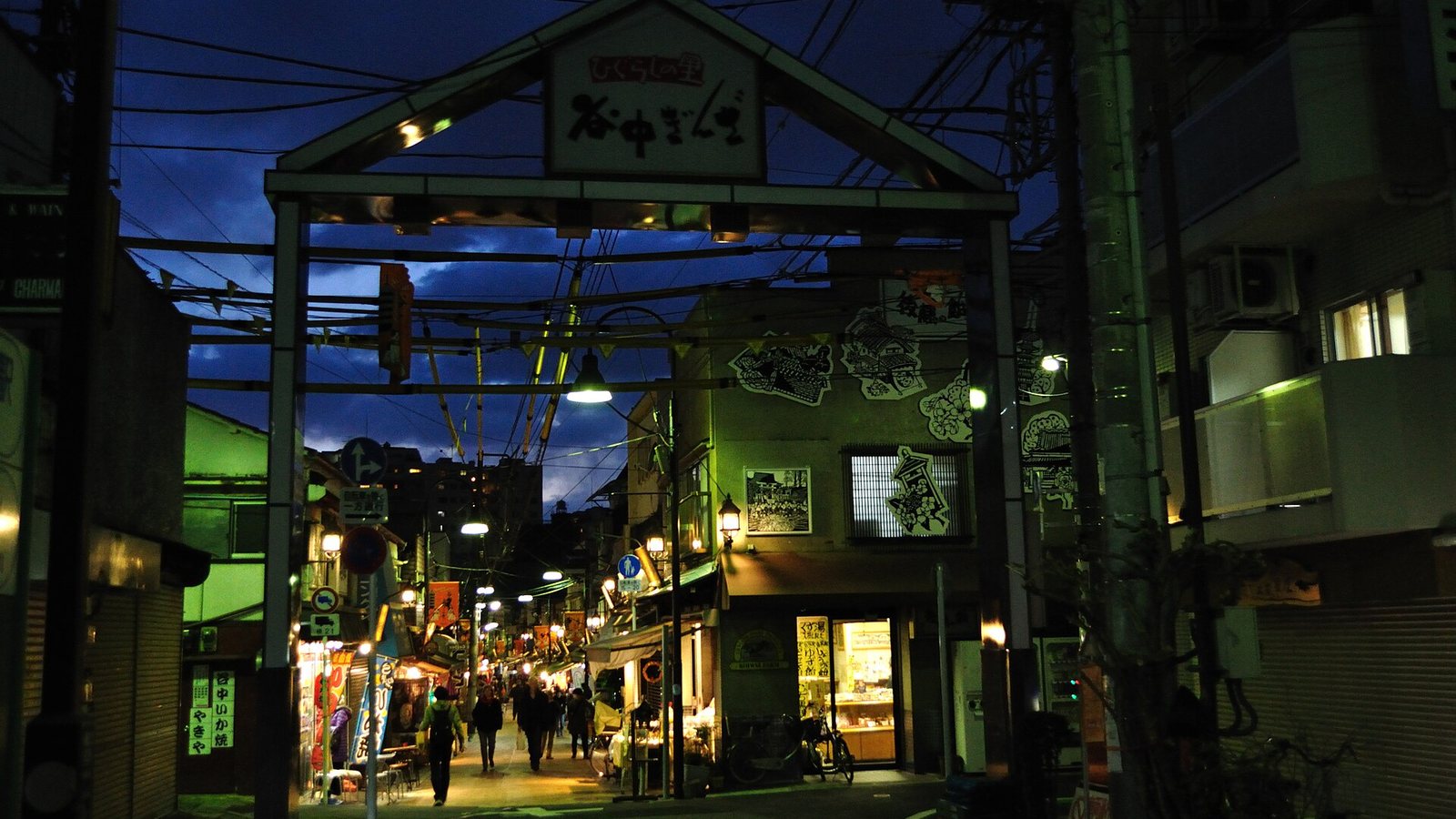
Everyday prices
These come from Japan's official Retail Price Survey of December 2025, as published on the government's Study in Japan site.
| Item | Price |
|---|---|
| Rice, 5 kg | 4,979 yen |
| White bread, 1 kg | 524 yen |
| Milk, 1 litre | 267 yen |
| Eggs, 10 | 313 yen |
| Apples, 1 kg | 811 yen |
| Cabbage, 1 kg | 184 yen |
| Carbonated drink, 1 litre | 257 yen |
| Hamburger | 248 yen |
| Gasoline, 1 litre | 165 yen |
| Toilet paper, 1,000 m | 830 yen |
| Haircut | 4,377 yen |
| Taxi, 4 km | 1,732 yen |
Housing and a monthly budget
The best official picture of a modest single budget comes from the Japan Student Services Organization, which surveys privately financed international students. Its 2023 survey puts average monthly living costs at 105,000 yen, excluding the cost of study.
| Measure | Monthly amount |
|---|---|
| Total living costs, national average | 105,000 yen |
| Housing, national average | 41,000 yen |
| Housing, Tokyo | 57,000 yen |
Rents in Tokyo and other large cities are higher than in rural areas, and in metropolitan areas it is hard to rent near a school, which pushes up commuting costs. These figures describe students' housing costs, not the wider rental market.
What people earn
The minimum wage
Japan sets its minimum wage by prefecture. For fiscal 2026 the Ministry of Health, Labour and Welfare reported the following, with the new rates taking effect in each prefecture between 1 October and 2 December 2026.
| Measure | Hourly rate |
|---|---|
| National weighted average, fiscal 2026 | 1,177 yen |
| National weighted average, previous year | 1,121 yen |
| Highest prefectural rate | 1,280 yen |
| Lowest prefectural rate | 1,085 yen |
Every one of the 47 prefectures raised its rate, by between 54 and 65 yen. The 56-yen rise in the national average is the second largest since the current system began. The lowest rate is now 84.8% of the highest, a gap that has narrowed for 12 years running.
Part-time pay
Among international students who work part-time, half, 50.2%, earn between 1,000 and 1,200 yen an hour, 20.5% earn less than 1,000 yen and 20.5% earn between 1,200 and 1,400 yen. Average earnings from part-time work are about 81,000 yen a month, which is less than the average monthly living cost.
Jobs
The unemployment rate was 2.5% in August 2026, seasonally adjusted.
Inflation
The Consumer Price Index rose 1.9% over the year to August 2026, according to the Statistics Bureau of Japan. Household spending tells a more cautious story: consumption expenditure by households of two or more people fell 3.1% in real terms over the same year. Rice stood at close to 5,000 yen for 5 kg in the December survey.
Income tax
National income tax is charged in seven bands. This is the National Tax Agency's table, current as of 1 April 2026.
| Taxable income | Rate |
|---|---|
| 1,000 yen to 1,949,000 yen | 5% |
| 1,950,000 yen to 3,299,000 yen | 10% |
| 3,300,000 yen to 6,949,000 yen | 20% |
| 6,950,000 yen to 8,999,000 yen | 23% |
| 9,000,000 yen to 17,999,000 yen | 33% |
| 18,000,000 yen to 39,999,000 yen | 40% |
| 40,000,000 yen and over | 45% |
A special reconstruction income tax of 2.1% of the income tax amount is collected on top. The table applies to taxable income, not to gross salary.
Studying: tuition on top
If you are coming to study, add tuition. First-year admission and tuition fees average about 820,000 yen at a national university, about 910,000 yen at a local public university and about 1,300,000 yen at a private one. Japanese language institutions charge about 610,000 to 1,900,000 yen. See our Japan student visa guide for the visa and work rules.
How to estimate your own budget
- Decide on the city first. Housing in Tokyo averages about 40% more than the national figure in the student survey.
- Price your commute along with your rent. Cheaper housing further out costs more in fares.
- Check your prefecture's minimum wage if you will be paid hourly. The range is 1,085 to 1,280 yen.
- Work out tax on taxable income, not gross pay, and add the 2.1% reconstruction tax.
- Budget for a one-off visa cost. Since 1 July 2026 a single-entry visa costs approximately 15,000 yen.
For moving costs, see our guide to the cost of moving to Japan.
Frequently asked questions
Is Japan expensive to live in?
Some reference prices: a litre of milk costs 267 yen and ten eggs 313 yen in the government's December 2025 retail survey. Housing is the main variable. International students spend an average of 105,000 yen a month on living costs, with housing at 41,000 yen nationally and 57,000 yen in Tokyo.
What is the minimum wage in Japan in 2026?
The national weighted average for fiscal 2026 is 1,177 yen an hour, up from 1,121 yen. Rates are set by prefecture and range from 1,085 yen to 1,280 yen, taking effect between 1 October and 2 December 2026.
What is the inflation rate in Japan?
The Consumer Price Index rose 1.9% over the year to August 2026, according to the Statistics Bureau of Japan.
How much is rent in Tokyo?
In the Japan Student Services Organization's survey, international students in Tokyo pay an average of 57,000 yen a month for housing, against a national average of 41,000 yen. Those are student figures.
How much income tax do you pay in Japan?
National income tax has seven bands from 5% to 45%. The 5% rate applies to taxable income up to 1,949,000 yen and the 20% rate from 3,300,000 yen. A special reconstruction income tax of 2.1% of the tax is added.
How much does food cost in Japan?
In the December 2025 Retail Price Survey, 5 kg of rice cost 4,979 yen, 1 kg of white bread 524 yen, a litre of milk 267 yen, ten eggs 313 yen and a hamburger 248 yen.
Can you live on a part-time job in Japan?
Not on its own, on average. International students who work part-time earn about 81,000 yen a month, while average living costs are 105,000 yen before tuition.
Sources (official only)
- Study in Japan (JASSO) — Living costs and expenses
- Study in Japan (JASSO) — Part-time work
- Study in Japan (JASSO) — Academic fees
- Ministry of Health, Labour and Welfare — Regional minimum wages for fiscal 2026 (Japanese)
- Statistics Bureau of Japan — Latest indicators
- National Tax Agency — Income tax rates, No. 2260 (Japanese)
- Ministry of Foreign Affairs of Japan — Visa fees
All figures verified against the official pages above on 13 October 2026. Prices and wages change, so check the latest official release. Information, not financial advice.