Japan Student Visa 2026: Steps, Fees, Costs and Work Rules
A Japanese student visa is built on one document that is obtained for you in Japan, the Certificate of Eligibility. Once you have it, the visa takes about a week. The harder questions are money and work: what a year really costs, and how much of it a part-time job can cover. This guide answers both with figures from Japan's Ministry of Foreign Affairs and its official Study in Japan site, as read on 13 October 2026.
Quick answer
To study in Japan as a college or pre-college student you need a Student visa, granted for a period of up to 4 years and 3 months. A proxy in Japan, such as your school, applies for a Certificate of Eligibility; with it the visa is issued in about 5 working days. Since 1 July 2026 the visa fee is approximately 15,000 yen for single entry. Students may work part-time up to 28 hours a week, but only after getting permission. First-year tuition averages about 820,000 yen at a national university and 1,300,000 yen at a private one, and living costs average 105,000 yen a month. Part-time earnings average about 81,000 yen a month, so they do not cover everything.
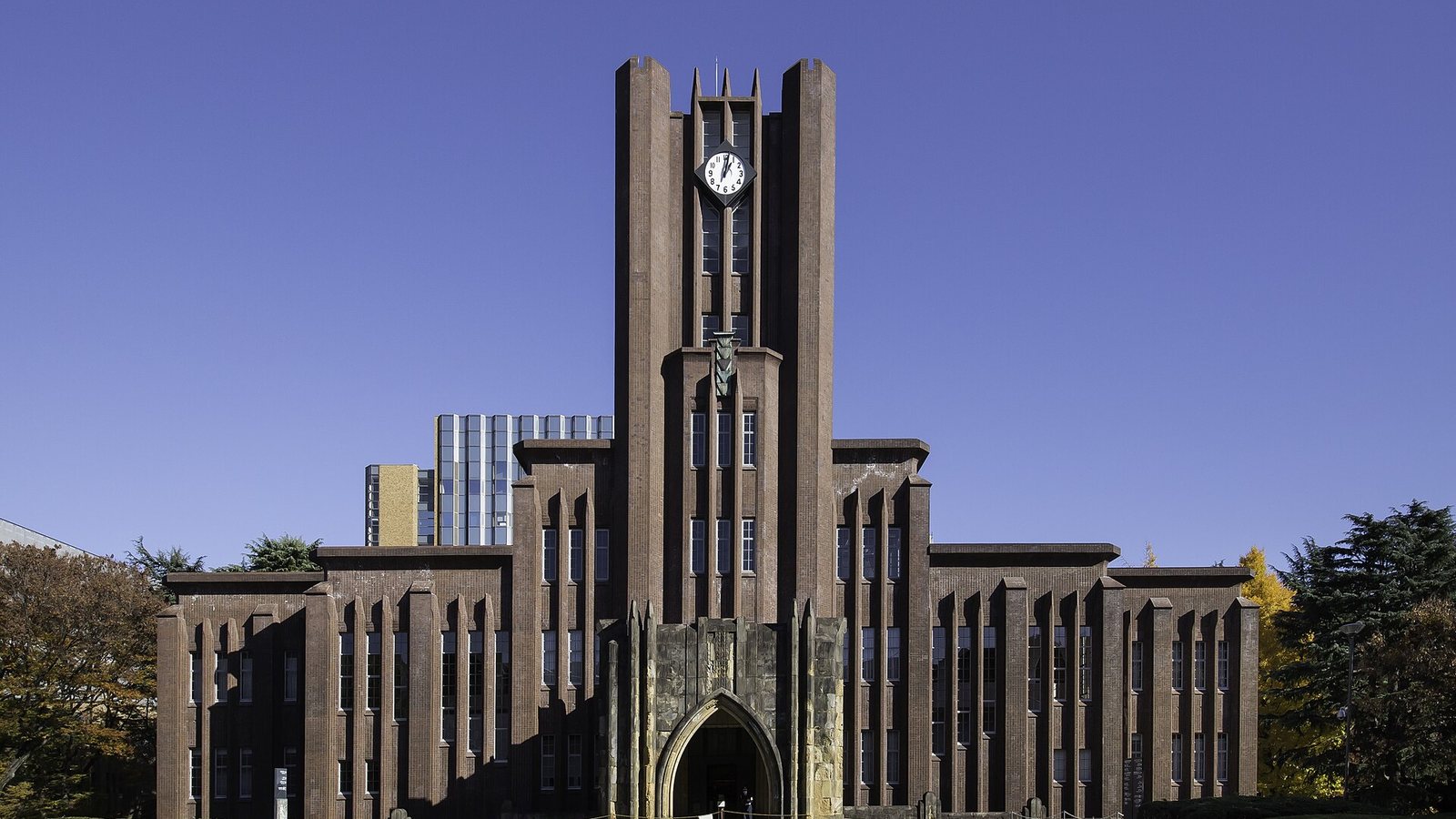
How the Student visa works
Japan's Ministry of Foreign Affairs lists Student among its general visas, covering college students, pre-college students and similar. The period of stay is set individually by the Minister of Justice and is 4 years and 3 months or less.
| Item | Rule |
|---|---|
| Period of stay | Individually designated, 4 years and 3 months or less |
| Core documents | Passport, one visa application form, one photograph, Certificate of Eligibility |
| Processing with a Certificate of Eligibility | 5 working days from the day after the application is received, if there is no problem |
| Processing without one | Possible, but it needs a large amount of verification documents and can take several months |
| Visa fee from 1 July 2026 | Approximately 15,000 yen single entry; approximately 30,000 yen multiple entry |
| Validity of the visa for entry | Three months for a single-entry visa; it cannot be extended |
How to apply, step by step
- Apply to a school in Japan and get accepted.
- Your proxy in Japan, such as the school, applies for your Certificate of Eligibility at the regional immigration authority. The certificate confirms that your planned activity is genuine and fits a status under the Immigration Control Act.
- Receive the certificate, on paper or electronically.
- Apply for the visa at the Japanese embassy or consulate for your area with your passport, the form, a photograph and the certificate. Some nationalities must add documents; Chinese nationals, for example, also submit a family register copy, a questionnaire, a graduation certificate and their financial supporter's employment certificate.
- Pay the fee in local currency. No fee is charged if the visa is not issued.
- Enter Japan within three months. If your stay will exceed three months, you can apply for part-time work permission at the airport when landing permission is granted.
A Certificate of Eligibility speeds things up but does not guarantee the visa. Nationals of the Philippines, Viet Nam, Indonesia, Nepal, Myanmar and China should also check the pre-entry tuberculosis screening that applies to long-term stays.
What studying in Japan costs
Tuition
These are average admission and tuition fees for the first year, from the official Study in Japan site. Fees for teaching materials and practical training can be extra, and fees vary from school to school.
| Type of school | National | Local public | Private |
|---|---|---|---|
| Universities, undergraduate | About 820,000 yen | About 910,000 yen | About 1,300,000 yen; about 3,800,000 yen for medical, dental and pharmaceutical programs |
| Graduate schools | About 820,000 yen | About 900,000 yen | About 1,100,000 yen; about 870,000 yen for medical, dental and pharmaceutical programs |
| Japanese language institutions | About 610,000 to 1,900,000 yen, depending on the course | ||
Living costs
The average monthly cost of living for an international student, excluding study costs, is 105,000 yen, according to the Japan Student Services Organization's 2023 survey of privately financed international students. Housing is the part that moves most: the national average is 41,000 yen a month and the level in Tokyo is 57,000 yen. Commuting also costs more in metropolitan areas, where it is hard to rent near a school.
| Item | Price |
|---|---|
| Rice, 5 kg | 4,979 yen |
| White bread, 1 kg | 524 yen |
| Milk, 1 litre | 267 yen |
| Eggs, 10 | 313 yen |
| Hamburger | 248 yen |
| Haircut | 4,377 yen |
| Taxi, 4 km | 1,732 yen |
Those prices come from Japan's official Retail Price Survey of December 2025.
Working part-time
The Student status is granted for studying and does not in itself permit work. To work you must obtain "permission to engage in activities other than that permitted under the status of residence previously granted" from a regional immigration services bureau, or at the airport on first arrival if your stay exceeds three months.
- Hours: within 28 hours a week, and up to eight hours a day during long school holidays.
- Studies first: the work must not affect your studies.
- Purpose: the income is meant to supplement academic and necessary expenses, not for saving or sending money overseas.
- Banned work: jobs in adult entertainment businesses are prohibited by law.
About 65% of privately financed international students work part-time, earning about 81,000 yen a month on average. Half of them, 50.2%, are paid between 1,000 and 1,200 yen an hour, and the most common jobs are in restaurants, at 39.2%, and sales, at 28.4%.
What that means for your budget: average part-time earnings fall short of the 105,000 yen average living cost before tuition is counted. The Study in Japan site says plainly that part-time work alone cannot cover school and living expenses, and that every year some students have to leave Japan because low attendance, caused by working too much, stops them extending their stay.
While you are in Japan
- Extending your stay. File with a regional immigration services bureau before your period of stay expires, usually from three months before. Overstaying can bring penalties or deportation, and expulsion from your school.
- Leaving temporarily. With a valid passport and residence card you do not need a re-entry permit if you return within one year, or before your period of stay ends if that is sooner.
- Changing status. If you stop studying and want to work, you must change your status of residence at a regional immigration services bureau.
- Losing status. Status can be revoked if a student works every day without attending school, or submitted false documents.
- Bringing family. Spouses and children of university students can live in Japan as dependants. It is difficult to obtain that status in Japan if the family member first entered as a temporary visitor.
Frequently asked questions
How do I get a student visa for Japan?
Get accepted by a school in Japan, have a proxy in Japan, such as the school, obtain a Certificate of Eligibility, then apply at a Japanese embassy or consulate with your passport, an application form, a photograph and the certificate.
How much does a Japan student visa cost?
For applications accepted from 1 July 2026, approximately 15,000 yen for a single-entry visa and approximately 30,000 yen for a multiple-entry visa, paid in local currency. The amount can differ by nationality.
How long does a Japan student visa take?
With a Certificate of Eligibility, 5 working days from the day after the embassy receives the application, if there is no problem. Without one it can take several months.
Can I work on a student visa in Japan?
Yes, with permission. You must apply for permission to engage in activities outside your status, and you may then work within 28 hours a week, or up to eight hours a day during long school holidays.
How much does it cost to study in Japan?
First-year admission and tuition fees average about 820,000 yen at a national university and about 1,300,000 yen at a private one. Living costs for international students average 105,000 yen a month, with housing at 41,000 yen nationally and 57,000 yen in Tokyo.
How long can I stay in Japan on a student visa?
The period of stay is set individually and is 4 years and 3 months or less. You can apply to extend it at a regional immigration services bureau before it expires.
Can I bring my family to Japan as a student?
Spouses and children of international students at universities can reside in Japan with Dependent status for the student's period of stay. The Study in Japan site advises bringing them once you are settled and financially stable.
Sources (official only)
- Ministry of Foreign Affairs of Japan — General visa: Student
- Ministry of Foreign Affairs of Japan — Visa fees
- Ministry of Foreign Affairs of Japan — Visa processing time
- Study in Japan (JASSO) — Academic fees
- Study in Japan (JASSO) — Living costs and expenses
- Study in Japan (JASSO) — Part-time work
- Study in Japan (JASSO) — Status of residence
All figures verified against the official pages above on 13 October 2026. Fees and rules change, so check with your school and the Japanese embassy for your area before you apply. Information, not legal advice.