Cost of Moving to Colombia: Detailed Budget Guide
Moving to Colombia involves various costs, including visa applications and housing. Check the official Ministry of Foreign Affairs and Migracion Colombia websites for the latest information.
Quick answer
Moving to Colombia involves various costs, including visa applications and housing. Check the official Ministry of Foreign Affairs and Migracion Colombia websites for the latest information.
Introduction to Moving to Colombia
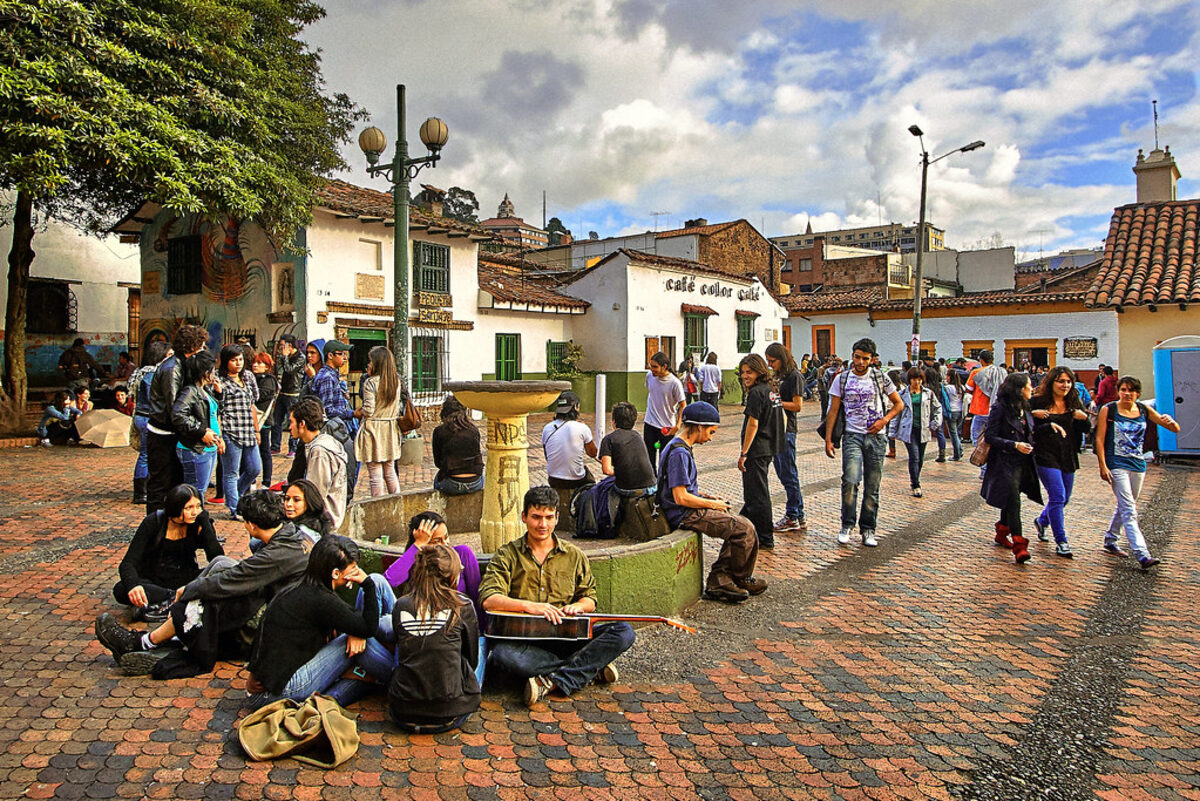
Colombia has become an increasingly popular destination for expats, digital nomads, and retirees due to its welcoming culture, diverse landscapes, and significantly lower cost of living compared to many Western countries. The country offers everything from bustling urban centers like Bogotá and Medellín to coastal cities like Cartagena and smaller towns in the coffee region, each with distinct cost structures and lifestyle offerings.
However, relocating internationally involves navigating complex bureaucratic processes, financial planning, and cultural adaptation. Understanding the complete cost structure—from initial visa applications to ongoing monthly expenses—is crucial for a successful transition. Underestimating expenses or missing critical steps in the immigration process can lead to financial strain or legal complications.
SettleBuddy's comprehensive platform, including the Language Lab and upcoming AI-powered tools for visas, housing, and career development, provides structured guidance through each phase of relocation. These resources help streamline what can otherwise be an overwhelming process, though official government sources must always be consulted for the most current regulations and fees.
This detailed guide breaks down every cost category you'll encounter when moving to Colombia, providing realistic timelines, procedural steps, and financial planning strategies. We'll cover visa application processes and fees, housing search methodologies and costs, mandatory registration requirements, monthly living expenses across different cities, and how to create a comprehensive relocation budget that accounts for both expected and unexpected costs.
Visa Applications and Costs
The Colombian visa system, administered by the Ministry of Foreign Affairs, offers several pathways depending on your purpose of stay, financial situation, and long-term plans. According to the Ministry, the primary categories include Visitor (V) visas for short stays, Migrant (M) visas for longer-term residence including work, digital nomad, and rentista options, and Resident (R) visas for those who qualify through extended prior residence or other specific criteria.
The application process typically begins with gathering required documentation, which may include passport copies, financial statements proving income or investment thresholds, background checks, health certificates, and specific forms available on the Ministry's website. Each visa type has distinct requirements: digital nomad/rentista visas require proof of stable foreign income, work visas require employer sponsorship, and investment visas require evidence of significant capital injection into the Colombian economy.
Processing times vary significantly by visa type and application volume. Visitor visas may be processed in 2-4 weeks, while Migrant visas — the timeline varies (confirm the current timeline on the official source). The Ministry of Foreign Affairs notes that incomplete applications or those requiring additional verification may experience longer processing times. Applicants should monitor their application status through the official online system and be prepared to provide additional documentation if requested.
Fee structures are published by the Ministry of Foreign Affairs and are subject to change. Current fees range significantly based on visa type, nationality, and processing urgency. Additional costs may include document translation and authentication fees, courier services for document submission, and potential legal consultation fees for complex cases. All applicants should verify current fees directly on the Ministry's website before beginning the application process.

Housing Costs in Colombia
Housing represents one of the largest recurring expenses for relocators and varies dramatically by location, property type, and amenities. Major cities like Bogotá command premium prices, particularly in neighborhoods like Chapinero, Usaquén, and Parque 93, where modern apartments may cost 2-3 times more than equivalent properties in emerging neighborhoods or secondary cities. Medellín's El Poblado district similarly carries a premium, while areas like Laureles or Envigado offer more moderate pricing.
The housing search process typically involves multiple stages: initial online research, property visits (either virtually or in person), negotiation of terms, and formal lease signing. Foreigners should be prepared to provide additional documentation, including proof of income, Colombian guarantor (fiador), or additional security deposits. Many landlords require foreign tenants to pay multiple months' rent in advance as security, significantly increasing initial moving costs.
Rental prices are usually quoted in Colombian pesos and may be listed as monthly or annual rates. Additional costs include administrative fees (typically one month's rent), security deposits (1-2 months' rent), and potentially furniture rental or purchase costs if opting for unfurnished properties. Utility costs (electricity, water, gas) are generally separate from rent and vary by consumption and city.
SettleBuddy's Housing AI, launching soon, will provide a comprehensive platform for filtering properties by neighborhood safety ratings, proximity to transportation and amenities, price ranges, and landlord requirements specifically for foreign tenants. In the interim, relocators should research multiple listing platforms, connect with local real estate agents specializing in expat clients, and join expat communities for current market insights and potential sublet opportunities.
Registration and Residency Costs
After obtaining a visa and entering Colombia, foreign nationals staying longer than 90 days must complete the mandatory registration process with Migracion Colombia to obtain their Cedula de Extranjeria (foreigner identification card). This process typically begins within the first 30 days of arrival and involves scheduling an appointment through Migracion Colombia's online system, gathering required documentation, and attending an in-person appointment at designated offices.
Required documentation generally includes original passport with entry stamp, valid visa, proof of address in Colombia (utility bill or lease agreement), completed application forms, and payment of processing fees. According to Migracion Colombia, applicants may also need to provide passport-sized photos and additional identification documents depending on their visa category and country of origin. All foreign documents must be properly translated and apostilled or legalized.
The registration process timeline can vary from 2-6 weeks depending on appointment availability, documentation completeness, and processing backlogs. During this period, applicants receive temporary documentation proving their legal status while awaiting the physical Cedula card. The Cedula must be renewed periodically based on visa validity, and renewal processes involve similar documentation and fee requirements.
Costs associated with registration include government processing fees (set by Migracion Colombia and subject to change), potential legal or facilitator fees for assistance with the process, translation and authentication costs for foreign documents, and transportation costs for required in-person appointments. Failure to complete registration within the required timeframe can result in fines and immigration complications, making proper budgeting for these costs essential.
Monthly Cost of Living Breakdown
Understanding ongoing monthly expenses is crucial for sustainable relocation budgeting. Housing typically constitutes the largest expense, ranging from approximately 1,500,000 COP for a one-bedroom apartment in a mid-range neighborhood of a secondary city to 3,500,000+ COP for similar accommodations in premium areas of Bogotá or Medellín. Utilities (electricity, water, gas, internet) typically add 300,000-600,000 COP monthly, with higher costs in buildings without included services or in regions with extreme climates requiring significant heating/cooling.
Food expenses vary considerably based on dining habits. Cooking at home with local ingredients can cost 600,000-900,000 COP monthly for one person, while frequent dining at mid-range restaurants may double this amount. Imported goods and specialty items command significant premiums, with many expats reporting 30-50% higher grocery costs when maintaining home-country eating habits versus adapting to local products and cuisine.
Transportation costs depend on location and usage patterns. Major cities offer extensive public transportation systems with monthly passes ranging from 100,000-200,000 COP. Ride-sharing services and taxis provide convenient alternatives, with typical inner-city trips costing 8,000-20,000 COP. Private vehicle ownership involves additional costs including fuel (approximately 10,000 COP per liter), insurance, maintenance, and parking fees that can exceed 300,000 COP monthly in urban centers.
Healthcare costs represent another significant consideration. Colombia's healthcare system offers both public (EPS) and private options, with many expats opting for private insurance plans ranging from 200,000-500,000 COP monthly depending on age and coverage. Out-of-pocket costs for doctor visits typically range from 50,000-150,000 COP, while specialist consultations and procedures can cost significantly more. Dental care, vision care, and prescription medications also require separate budgeting.
Initial Setup and One-Time Costs
Beyond recurring monthly expenses, relocators must budget for significant one-time setup costs that occur during the first months of residence. These include initial housing costs such as security deposits (varies (confirm the current timeline on the official source)' rent), agency fees (0.5-1 month's rent), and potential furniture and appliance purchases if renting unfurnished properties. Basic household setup for an unfurnished apartment can cost 2,000,000-5,000,000 COP depending on quality and completeness.
Technology and communication setup involves purchasing local SIM cards or mobile plans (20,000-100,000 COP for initial setup), internet installation fees (which may be waived with contract commitments), and potentially purchasing new devices compatible with local networks. Many expats also invest in voltage converters or new electronics compatible with Colombia's 110V system, adding 200,000-800,000 COP to initial costs.
Transportation setup may include purchasing vehicles (with associated taxes, registration, and insurance costs), obtaining local driver's licenses (requiring written and practical exams for most foreign licenses), or purchasing bicycles or scooters for local transportation. Those using public transportation should budget for initial transit card purchases and loading initial balances.
Professional services often represent significant initial costs, including immigration lawyer consultations (200,000-500,000 COP per hour), accounting services for tax registration and planning, and potentially language tutoring or cultural orientation services. While not mandatory, these services can prevent costly mistakes and streamline the adaptation process, particularly for those with limited Spanish proficiency or complex financial situations.
Budgeting Strategy and Financial Planning
Effective relocation budgeting requires a phased approach that accounts for pre-move, initial settlement, and ongoing living expenses. The pre-move phase includes visa application costs, document authentication and translation, initial travel expenses, and potential storage or shipping costs for belongings. This phase typically requires 3-6 months of financial preparation and often costs 2,000,000-6,000,000 COP depending on visa type and moving complexity.
The initial settlement phase (first 1-3 months) involves the highest concentration of one-time costs, including housing deposits, furniture and appliance purchases, healthcare enrollment fees, and various registration costs. This phase typically requires 6-12,000,000 COP beyond regular monthly expenses, making it crucial to have sufficient liquidity before relocation. Many expats maintain emergency funds covering 3-6 months of living expenses to handle unexpected costs during this adjustment period.
Ongoing financial management involves tracking expenses across categories, understanding local banking and payment systems, and planning for tax obligations in both Colombia and your home country. Opening a local bank account requires proper immigration documentation and may involve minimum balance requirements and monthly maintenance fees. International money transfer services and exchange rate fluctuations also impact monthly budgeting.
SettleBuddy's upcoming financial planning tools will provide customized budget templates based on family size, location preferences, and lifestyle choices, helping relocators anticipate costs across all phases. In the interim, creating detailed spreadsheets that account for both Colombian peso expenses and equivalent home currency amounts helps maintain financial perspective and prevents overspending due to exchange rate misconceptions.
Regional Cost Variations
Colombia's diverse regions offer dramatically different cost structures, making location selection one of the most significant financial decisions for relocators. Bogotá, as the capital and largest city, commands premium prices across most categories, particularly housing in desirable northern neighborhoods, private education, and imported goods. However, it also offers the highest salary potential for those working locally and the most comprehensive services and amenities.
Medellín has become increasingly popular with digital nomads and retirees, offering spring-like weather year-round and modern infrastructure at costs generally 15-25% lower than Bogotá. The city's efficient metro system reduces transportation costs, though premium neighborhoods like El Poblado approach Bogotá-level pricing. Emerging neighborhoods and surrounding municipalities offer more affordable alternatives while maintaining access to city amenities.
Coastal cities like Cartagena, Santa Marta, and Barranquilla offer lower overall costs but present different financial considerations. Housing costs vary significantly between tourist-focused areas and local neighborhoods, and hot climates increase electricity costs for air conditioning. These cities often have less comprehensive public transportation, potentially increasing private transportation costs, but offer lower-priced fresh seafood and tropical produce.
Smaller cities and towns, particularly in the coffee region (Manizales, Armenia, Pereira) and smaller Pacific or Caribbean communities, offer the lowest costs but may require compromises on healthcare quality, international schooling options, and access to certain goods and services. Internet reliability can vary in rural areas, potentially affecting remote work capabilities. Each location decision involves trade-offs between cost, amenities, and lifestyle preferences that must be carefully evaluated against personal and financial priorities.
Comparison of Costs in Colombia
Understanding cost relativities across categories and locations helps relocators make informed decisions and set realistic budgets. The following table provides a general comparison of key expense categories across major cities, though individual circumstances and lifestyle choices will significantly impact actual costs. All figures are approximate and based on current market conditions, which are subject to change due to inflation, exchange rate fluctuations, and economic factors.
When comparing costs, consider not only absolute amounts but also value received. Higher-cost neighborhoods often provide better security, proximity to amenities, and higher-quality infrastructure. Similarly, private healthcare and international education command premiums but may provide services more familiar to expats. The balance between cost and quality of life is highly personal and requires careful consideration of priorities and non-financial factors.
Currency exchange rates significantly impact cost perceptions for those earning in foreign currencies. A strong home currency relative to the Colombian peso can make even premium accommodations and services seem affordable, while a weak home currency may require significant lifestyle adjustments. Monitoring exchange trends and developing a strategic approach to money transfers can help maximize purchasing power and reduce financial stress.
SettleBuddy's Housing AI and cost comparison tools, launching soon, will provide personalized estimates based on specific family configurations, lifestyle preferences, and location choices, helping relocators make data-driven decisions. In the interim, consulting multiple sources including local expat forums, real estate platforms, and government statistical agencies provides the most comprehensive understanding of current cost structures.
| Category | Bogotá (Premium Area) | Medellín (El Poblado) | Cartagena (Tourist Area) | Secondary City |
|---|---|---|---|---|
| 1-Bedroom Apartment Rent | 2,800,000-4,200,000 COP | 2,200,000-3,500,000 COP | 1,800,000-3,000,000 COP | 1,200,000-2,000,000 COP |
| Utilities (Basic) | 350,000-600,000 COP | 300,000-500,000 COP | 400,000-700,000 COP | 250,000-450,000 COP |
| Groceries (Single Person) | 800,000-1,200,000 COP | 700,000-1,000,000 COP | 750,000-1,100,000 COP | 600,000-900,000 COP |
| Public Transport Monthly | 180,000 COP | 100,000 COP | N/A (Limited System) | 80,000 COP |
| Internet (100 Mbps) | 180,000-250,000 COP | 160,000-220,000 COP | 170,000-240,000 COP | 140,000-200,000 COP |
| Visa Application Fees | Ministry of Foreign Affairs website | Ministry of Foreign Affairs website | Ministry of Foreign Affairs website | Ministry of Foreign Affairs website |
| Cedula Registration | Migracion Colombia website | Migracion Colombia website | Migracion Colombia website | Migracion Colombia website |
Conclusion
Relocating to Colombia involves a complex financial landscape that requires careful planning, research, and flexibility. While the country offers a lower cost of living than many Western nations, particularly for those who adapt to local lifestyles and consumption patterns, unexpected costs can arise throughout the immigration process, housing search, and initial settlement period. A comprehensive budgeting approach that accounts for both one-time setup costs and ongoing monthly expenses is essential for financial stability.
Official government sources, particularly the Ministry of Foreign Affairs for visa information and Migracion Colombia for registration requirements, provide the only reliable information for regulated processes and fees. These sources should be consulted regularly, as immigration policies and fee structures can change with minimal notice. Building relationships with local experts including immigration lawyers, accountants, and real estate professionals can help navigate complex situations and avoid costly mistakes.
SettleBuddy's evolving platform, including the current Language Lab and upcoming AI tools for visas, housing, and career development, provides structured guidance through each phase of relocation. These resources help consolidate information, streamline processes, and connect relocators with verified service providers, though they complement rather than replace official government guidance and personal due diligence.
Successful relocation ultimately depends on balancing financial preparedness with flexibility and realistic expectations. By understanding the complete cost structure, preparing for both expected and unexpected expenses, and developing a phased financial plan, relocators can transition smoothly to life in Colombia while maintaining financial security and enjoying the diverse opportunities this vibrant country offers.
Next Steps
Begin your relocation planning by thoroughly researching current visa requirements on the Ministry of Foreign Affairs website and identifying which visa category best matches your situation and long-term goals. Gather information about required documentation, processing times, and associated costs, and create a timeline that accounts for potential delays and additional verification requests. Consider consulting with an immigration lawyer if your situation involves complex factors like remote work, business establishment, or family reunification.
Develop a detailed housing search strategy that identifies target neighborhoods based on safety, amenities, transportation access, and budget constraints. Research average rental prices, security deposit requirements, and typical lease terms in your preferred areas. Connect with local real estate agents who specialize in working with expats and understand the documentation requirements for foreign tenants. Schedule virtual or in-person property viewings well in advance of your planned move date.
Create a comprehensive relocation budget that includes all anticipated costs across pre-move, initial settlement, and ongoing living phases. Factor in currency exchange rates, international money transfer fees, and potential banking costs. Establish emergency funds covering at least 3-6 months of living expenses to handle unexpected costs or income disruptions during the transition period. Consider consulting with a financial advisor who understands cross-border financial planning.
Utilize SettleBuddy's Language Lab to begin developing Spanish language skills, which will significantly impact your ability to navigate housing searches, government processes, and daily life cost-effectively. Join expat communities and forums to gather current information about costs, recommended service providers, and potential challenges. Remember that while online resources provide valuable guidance, official government websites remain the definitive source for regulated processes and requirements.
Additional Resources
For official visa information, requirements, and application procedures, regularly consult the Ministry of Foreign Affairs website (cancilleria.gov.co). This site provides the most current information on visa categories, required documentation, processing times, and fee structures. The website offers information in multiple languages and includes contact information for specific inquiries. Changes to visa policies, particularly for digital nomad and rentista categories, are communicated through this official channel.
Migracion Colombia's website (migracioncolombia.gov.co) provides essential information about registration requirements, Cedula de Extranjeria application processes, required documentation, and associated fees. The site also offers appointment scheduling systems, application status tracking, and information about regional office locations and requirements. This is the definitive source for post-arrival registration procedures and compliance requirements.
SettleBuddy's expanding resource library provides contextual information about relocation processes, cultural adaptation, and practical living considerations in Colombia. The Language Lab helps develop communication skills essential for navigating daily transactions and bureaucratic processes cost-effectively. Upcoming AI tools will provide personalized guidance for visa applications, housing searches, and career development, though users should always verify regulated information with official sources.
Local expat communities, both online and in-person, provide valuable insights into current cost structures, recommended service providers, and practical tips for managing expenses in Colombia. These communities often share information about neighborhood-specific costs, reliable landlords, and strategies for navigating bureaucratic processes efficiently. However, information from these sources should be cross-referenced with official guidance, as personal experiences may not reflect current regulations or universal applicability.
Where SettleBuddy comes in
SettleBuddy is the AI relocation engine for your whole move — language, visas, housing and career in one place, launching for every country. Language Lab is live now; Housing AI, Visa AI and Career AI are on the way.
Explore SettleBuddy →Key takeaways
- Moving to Colombia involves significant upfront costs including visa applications, security deposits, and setup expenses that can total 10-20 million COP before considering monthly living costs
- Housing costs vary dramatically by location, with premium neighborhoods in major cities costing 2-3 times more than equivalent properties in secondary cities or emerging neighborhoods
- The Ministry of Foreign Affairs sets visa requirements and fees, while Migracion Colombia manages registration processes—both must be consulted directly for current official information
- Successful financial planning requires budgeting for three distinct phases: pre-move costs (visas, documentation), initial settlement (housing deposits, furniture), and ongoing monthly expenses
- Regional cost variations significantly impact lifestyle affordability, with coastal and secondary cities offering 25-40% lower costs than Bogotá or premium Medellín neighborhoods
- Currency exchange rates dramatically affect purchasing power for those earning in foreign currencies, requiring strategic money transfer timing and exchange rate monitoring
- Emergency funds covering 3-6 months of living expenses are essential to handle unexpected costs during the transition period and initial settlement phase

FAQ
What are the exact costs for Colombian visa applications?
According to the Ministry of Foreign Affairs, visa application fees vary by visa type, nationality, and processing urgency. The Ministry's website provides the only official fee information, which is subject to change. Applicants should verify current fees directly on cancilleria.gov.co before applying, as unauthorized sources may provide outdated or incorrect information.
How much should I budget for initial housing costs in Colombia?
Initial housing costs typically include security deposits (1-2 months' rent), agency fees (0.5-1 month's rent), and potentially furniture purchases for unfurnished properties. For a 2,500,000 COP monthly rental, initial costs often range from 4,000,000-7,500,000 COP. These costs vary by location, property type, and landlord requirements, with many landlords requiring additional guarantees from foreign tenants.
What is the process and cost for obtaining the Cedula de Extranjeria?
According to Migracion Colombia, visa holders staying over 90 days must register and obtain a Cedula de Extranjeria. The process involves scheduling an online appointment, gathering required documentation (passport, visa, proof of address), attending an in-person appointment, and paying processing fees. Current fees are published on migracioncolombia.gov.co and typically include government processing costs and potential translation/authentication expenses for foreign documents.
How do monthly living costs in Colombia compare to North America or Europe?
Overall monthly living costs in Colombia are generally 40-60% lower than in most North American or Western European cities for comparable lifestyles. However, this varies significantly by location and consumption patterns—those maintaining imported product preferences and living in premium neighborhoods may experience only 20-30% savings, while those adapting to local products and neighborhoods may achieve 50-70% cost reductions. Housing typically shows the greatest savings potential.
What unexpected costs should I anticipate when moving to Colombia?
Common unexpected costs include additional documentation requirements for visa applications, higher-than-anticipated security deposits for housing, currency exchange fluctuations affecting transfer amounts, emergency healthcare expenses before insurance activation, and costs associated with bureaucratic processing delays. Most relocators should budget an additional 20-30% beyond estimated costs for unexpected expenses during the first 3-6 months.
Official sources
The regulated facts in this guide are drawn from official government sources. Rules and figures change — always confirm the current detail on the official page before you act.