Is It Hard to Move to Colombia? The Real Challenges, Explained
Moving to Colombia is one of the more accessible relocations in Latin America, especially for remote workers and people with stable income. You apply for a visa through the Ministry of Foreign Affairs — typically a Migrant (M) visa for work, remote work or income, a Visitor (V) visa for shorter purposes, or a Resident (R) visa after qualifying — and if you stay beyond 90 days you register with Migración Colombia for a Cédula de Extranjería. The main challenges are operating in Spanish and adjusting to local bureaucracy, not strict eligibility.
Quick answer
Moving to Colombia is one of the more accessible relocations in Latin America, especially for remote workers and people with stable income. You apply for a visa through the Ministry of Foreign Affairs — typically a Migrant (M) visa for work, remote work or income, a Visitor (V) visa for shorter purposes, or a Resident (R) visa after qualifying — and if you stay beyond 90 days you register with Migración Colombia for a Cédula de Extranjería. The main challenges are operating in Spanish and adjusting to local bureaucracy, not strict eligibility.
How Hard Is It, Really?
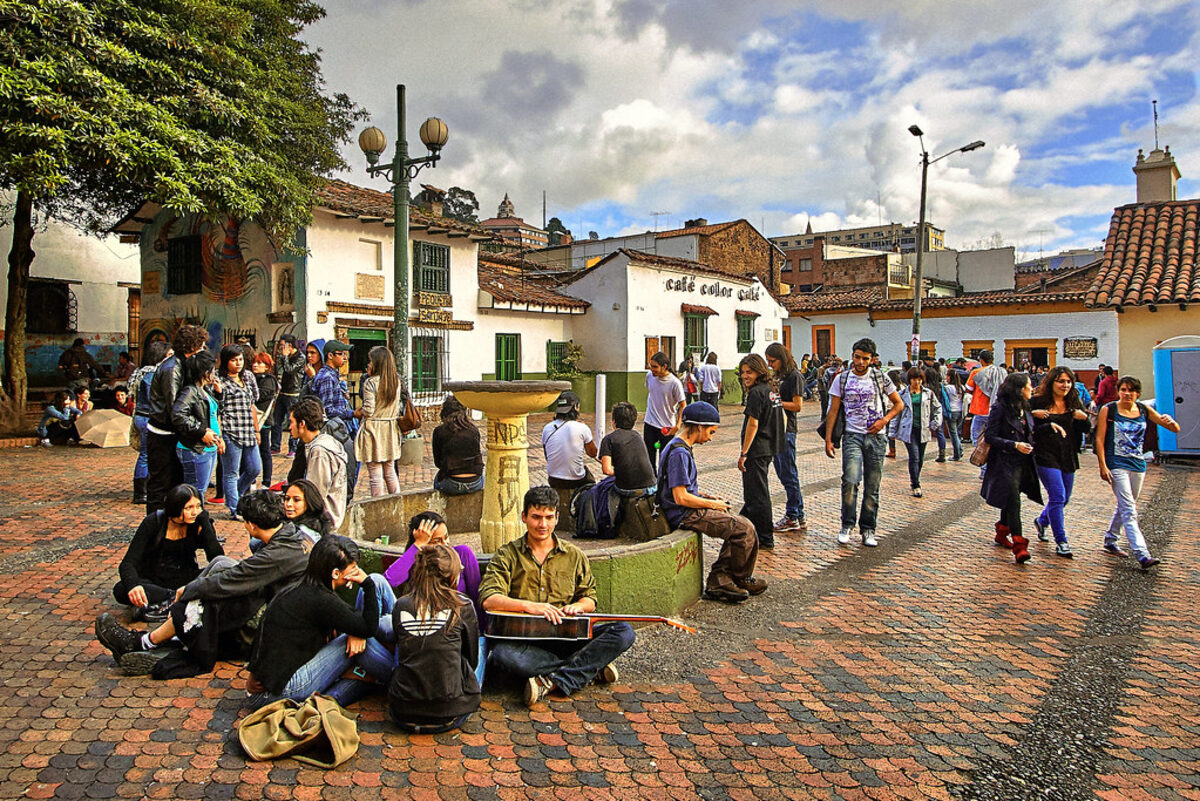
Colombia has positioned itself as welcoming to remote workers and newcomers with stable income, which makes it relatively accessible compared with many countries. The visa categories are reasonably clear, and the country actively attracts digital nomads and long-stay foreigners.
The genuine challenges are practical: the system runs in Spanish, timelines and appointments require patience, and you need to register properly once you are staying long term. None of these is severe, but underestimating the language and the registration step is where newcomers trip up.
The Visa Categories: M, V and R
Colombia organises visas into three broad types. Visitor (V) visas cover shorter or specific purposes. Migrant (M) visas cover longer stays including work, the digital-nomad route and the rentista (income) route. The Resident (R) visa is the long-term status you can reach after holding qualifying visas for the required period.
Because income requirements and conditions differ by category and are updated, confirm the current rules for your route with the Ministry of Foreign Affairs (Cancillería) before applying. Choosing the correct visa type first is the key to a smooth process.

Registering and the Cédula de Extranjería
If your visa allows a stay longer than 90 days, you must register with Migración Colombia and obtain a Cédula de Extranjería — the foreigner identity card. This card is your practical ID in Colombia, used for banking, contracts and official dealings.
Handle this promptly after your visa is granted. Without the Cédula, everyday tasks like opening a bank account become harder, so treat registration as a first-order priority rather than an afterthought.
The Spanish Language Barrier
Colombian Spanish is often praised as clear and neutral, which helps learners, but Colombia still runs in Spanish. Outside international workplaces and expat-heavy neighbourhoods, officials, landlords, healthcare and daily life expect Spanish.
Functional Spanish is the difference between a frustrating move and an easy one. SettleBuddy's Language Lab focuses on the real situations relocation creates — the migration office, the landlord, the bank — in the Spanish you will actually use, so you can manage the essentials yourself from the start.
Cost, Housing and Settling In
Colombia is affordable by North American and Western European standards, and cities like Medellín and Bogotá have become popular with remote workers for their climate, amenities and cost. Landlords typically want a deposit and proof of income, and a local bank account — easier once you have your Cédula — simplifies daily life.
Colombia rewards newcomers who arrive prepared: choose the right visa, register promptly, learn functional Spanish, and keep a financial buffer while your income and residence settle. The difficulty is manageable, and the quality of life is a major draw.
Where SettleBuddy comes in
SettleBuddy is the AI relocation engine for your whole move — language, visas, housing and career in one place, launching for every country. Language Lab is live now; Housing AI, Visa AI and Career AI are on the way.
Explore SettleBuddy →Key takeaways
- Colombia is relatively accessible, especially for remote workers and people with stable income.
- Visas fall into Migrant (M), Visitor (V) and Resident (R) categories; the M visa covers work, digital-nomad and rentista routes.
- Stays over 90 days require registering with Migración Colombia for a Cédula de Extranjería.
- Daily life runs in Spanish; Colombian Spanish is learner-friendly but still essential.
- Confirm current income requirements and conditions with the Cancillería before applying.
FAQ
Is it hard to move to Colombia?
Colombia is one of the more accessible Latin American relocations, particularly for remote workers and those with stable income. The visa categories are reasonably clear. The main challenges are operating in Spanish and completing registration for your foreigner ID, not strict eligibility.
What visa do I need for Colombia?
Colombia uses Migrant (M), Visitor (V) and Resident (R) visas. The M visa covers longer stays including work, the digital-nomad route and the rentista (income) route; R is the long-term status reached after qualifying. Confirm the current rules for your route with the Ministry of Foreign Affairs.
What is the Cédula de Extranjería?
It is Colombia's foreigner identity card, obtained by registering with Migración Colombia when your visa allows a stay longer than 90 days. It functions as your practical ID for banking, contracts and official dealings, so obtain it promptly.
Do I need Spanish to live in Colombia?
Practically, yes. While Colombian Spanish is considered clear and learner-friendly, officials, landlords and daily life run in Spanish outside international workplaces and expat areas. Functional Spanish makes the whole move easier.
Is Colombia cheap to live in?
Colombia is affordable by North American and Western European standards, and cities like Medellín and Bogotá are popular with remote workers. Rent, food and transport cost less, though you should still keep a buffer while your residence and income settle.
Official sources
The regulated facts in this guide are drawn from official government sources. Rules and figures change — always confirm the current detail on the official page before you act.