EU Blue Card Salary Thresholds by Country (2026)
The EU Blue Card is one permit under one EU law, but every country sets its own salary bar, and the gap between them is wide. Here are the current thresholds from each country's immigration authority, plus the EU-wide rules that apply everywhere.
Quick answer
Each EU country sets its Blue Card salary threshold between 1.0 and 1.6 times its average gross annual salary, under Directive (EU) 2021/1883. For 2026, Germany asks for €50,700 a year (€45,934.20 in shortage occupations or for recent graduates), France €59,373 a year, the Netherlands €5,942 a month, Austria €55,678 a year, and Finland €3,937 a month. Cyprus sets €43,632 a year, and Hungary published HUF 883,671 a month for 2025. Czechia uses 1.5 times the average gross salary. You also need a work contract or binding job offer of at least 6 months. Denmark and Ireland don't take part in the EU Blue Card scheme. Every figure below links to its official source.
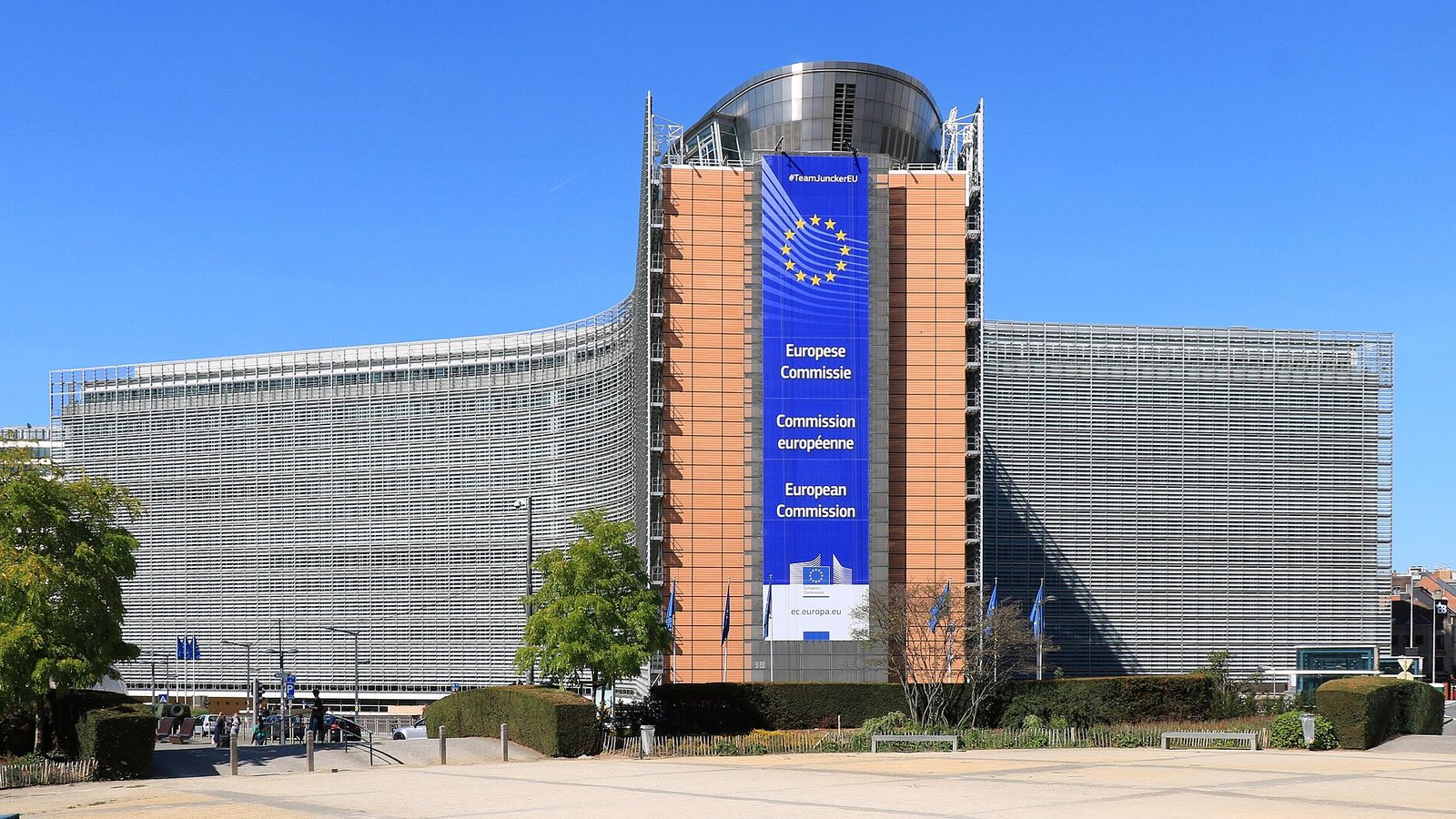
2026 Blue Card salary thresholds, country by country
| Country | Standard threshold | Lower threshold | Source |
|---|---|---|---|
| Germany | €50,700/year (€4,225/month) | €45,934.20/year (€3,827.85/month) in shortage occupations and for recent graduates | Berlin Immigration Office |
| France | €59,373 gross/year | — | service-public.fr |
| Netherlands | €5,942 gross/month | €4,754/month reduced criterion (e.g. recent graduates) | IND |
| Austria | €55,678/year (2026, including special payments) | — | migration.gv.at |
| Finland | €3,937 gross/month (2026) | — | Migri |
| Cyprus | €43,632 gross/year | Only ICT, pharmaceutical research and shipping | Deputy Ministry of Migration |
| Hungary | HUF 883,671/month (2025 figure) | Some occupations exempt | Immigration and Asylum Office (OIF) |
| Czechia | 1.5 × average gross annual salary | — | Ministry of the Interior |
| Denmark | Not part of the EU Blue Card scheme (Directive recital 69) | ||
| Ireland | Not part of the EU Blue Card scheme (Directive recital 70) | ||
Verified against the official pages under Sources on 26 September 2026. Most countries revise their threshold every January.
Why the thresholds differ so much
The current Blue Card law, Directive (EU) 2021/1883, doesn't set a euro amount. It sets a band: each country chooses a threshold at least 1.0 times, but not higher than 1.6 times, the average gross annual salary in that country. Countries then publish the result every year. That is why France's bar (€59,373 a year) sits well above Cyprus's (€43,632 a year) — the average salaries behind them differ, and so do the multipliers each government chose.
The directive also lets countries use a lower threshold — at least 80% of the normal one, and never below 1.0 times the average salary — for professions with a particular need for workers in ISCO major groups 1 and 2, meaning managers and professionals. Germany uses this: its shortage-occupation threshold for 2026 is €45,934.20 a year, which also applies if you completed your qualifications within the last three years. The Netherlands has a reduced criterion of €4,754 a month, mainly for recent graduates.

The rules that are the same everywhere
- A job of at least 6 months. The directive requires a valid work contract or binding job offer for highly qualified employment for a period of at least 6 months.
- Qualifications. For unregulated professions you show higher professional qualifications; for regulated ones (doctors, nurses, engineers in some countries) you must meet the national conditions to practise.
- Validity. The card should be valid for at least 24 months, or for the length of a shorter contract plus 3 months.
- Moving on. After 12 months of legal residence as a Blue Card holder in the first country, you can move to a second EU country for highly qualified work on the basis of your Blue Card.
Country notes worth knowing
Germany quotes both an annual and a monthly figure: €4,225 gross a month for the standard route, €3,827.85 for shortage occupations and recent graduates. Austria's figure of €55,678 includes special payments (the 13th and 14th salaries common in Austria), so compare it with your full annual package, not twelve monthly payslips. Cyprus limits its Blue Card to three sectors: information and communication technologies, pharmaceuticals (research only) and shipping, excluding ship captains and crew. Hungary's Immigration and Asylum Office published HUF 883,671 a month for 2025; check its page for the current year before you apply. France charges a €350 stamp duty when the card is issued.
Before you negotiate your salary
- Check the year. Thresholds change every January. An offer that qualified last year can fall short this year.
- Gross, not net. All the figures above are gross salary.
- Ask about the lower threshold. If your job is on a shortage list or you graduated recently, the lower bar may apply in Germany and the Netherlands.
- Plan for the language. A Blue Card doesn't require the local language, but daily life and permanent residence often do. Language Lab teaches it for everyday situations, in 50 languages.
Key takeaways
- Band: each country sets 1.0–1.6 times its average gross salary.
- 2026: Germany €50,700/year · France €59,373/year · Netherlands €5,942/month · Austria €55,678/year · Finland €3,937/month.
- Lower bars: Germany €45,934.20 (shortage/graduates) · Netherlands €4,754/month (reduced criterion).
- Not in the scheme: Denmark and Ireland.
FAQ
What is the EU Blue Card salary threshold in Germany for 2026?
€50,700 gross a year (€4,225 a month). For shortage occupations, and if you completed your qualifications within the last three years, it is €45,934.20 a year (€3,827.85 a month).
Which EU country has the lowest Blue Card salary threshold?
Among the countries compared here with a current figure in euros, Cyprus has the lowest at €43,632 gross a year, but its Blue Card only covers ICT, pharmaceutical research and shipping. Germany's lower threshold of €45,934.20 applies to shortage occupations and recent graduates.
Can I get an EU Blue Card for Ireland or Denmark?
No. Denmark and Ireland are not bound by the EU Blue Card Directive. Both run their own national work permit schemes instead.
Can I move to another EU country with my Blue Card?
Yes. After 12 months of legal residence as a Blue Card holder in the first country, you can enter, live and work in a second EU country for highly qualified employment under the directive's long-term mobility rules.
Sources (official only)
- EU law: Directive (EU) 2021/1883 (EU Blue Card)
- Germany: Berlin Immigration Office (LEA) — EU Blue Card
- France: service-public.fr — talent-carte bleue européenne
- Netherlands: IND — required amounts 2026
- Austria: migration.gv.at — EU Blue Card
- Finland: Migri — EU Blue Card
- Cyprus: Deputy Ministry of Migration — EU Blue Card
- Hungary: Immigration and Asylum Office (OIF) — EU Blue Card
- Czechia: Ministry of the Interior — EU Blue Card
All figures verified against the official pages above on 26 September 2026. Information, not legal advice.