First Week in Luxembourg: Essential Checklist
Your first week in Luxembourg involves mandatory registration at your commune, securing health insurance, opening a bank account, and understanding public transport. SettleBuddy’s Housing AI and Visa AI streamline these steps for a smooth transition.
Quick answer
Your first week in Luxembourg involves mandatory registration at your commune, securing health insurance, opening a bank account, and understanding public transport. SettleBuddy’s Housing AI and Visa AI streamline these steps for a smooth transition.
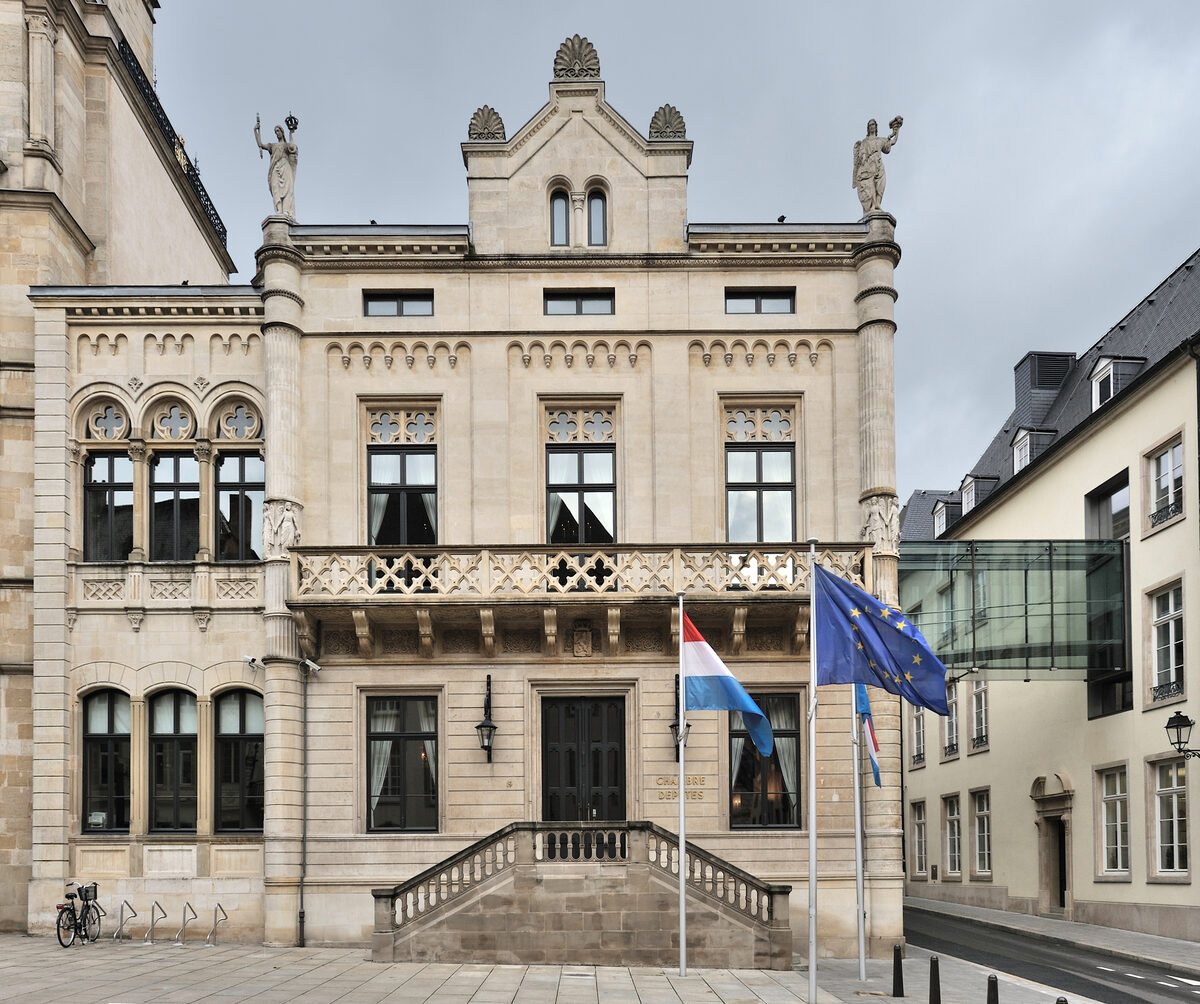
Declaration of Arrival and Commune Registration
Upon arriving in Luxembourg, your top priority is registering your presence with local authorities. Third-country nationals must make a declaration of arrival at their commune (municipality) of residence. This is a mandatory step outlined by the Immigration Directorate of the Ministry of Foreign and European Affairs, and it initiates the process for obtaining your residence permit.
You’ll need to visit the administrative office of your commune in person, typically with your passport, visa or entry document, and proof of address (such as a rental contract). The commune will provide you with a certificate of registration, which is essential for accessing subsequent services like healthcare and banking. Timely registration is critical to avoid legal complications.
Note that this process is separate from the medical check required for the residence permit. The declaration of arrival is your formal entry into the Luxembourgish system, and delays can impact your ability to work or access public services. Always verify specific document requirements with your local commune, as they can vary slightly.
Undergoing the Mandatory Medical Check
As part of the residence permit process, third-country nationals must undergo a medical examination. This check is designed to ensure public health safety and is a non-negotiable requirement enforced by the Luxembourgish immigration authorities. It typically includes screenings for infectious diseases and general health assessments.
The medical check is usually arranged after your declaration of arrival at the commune. You will receive instructions on where and when to attend, often at a designated health center or hospital. Failure to complete this step can result in delays or denial of your residence permit application, so prioritize it early in your first week.
There may be fees associated with the medical examination, though these can vary. Always check the official Guichet.lu — Immigration page for the most current information on costs and procedures. This step underscores the importance of having valid health insurance from day one in Luxembourg.
Securing Health Insurance Coverage
Health insurance is mandatory for all residents in Luxembourg. There are two primary systems: the public National Health Fund (CNS) and private insurers. Most employees are automatically enrolled in the CNS through their employer, but self-employed individuals and those without immediate employment must arrange coverage themselves.
If you’re employed, your employer will typically handle your registration with the CNS, but you should confirm this and provide any necessary documentation. For others, you must proactively sign up with a public or private provider. Proof of health insurance is often required during commune registration and for your residence permit.
Without valid health insurance, you risk facing significant out-of-pocket costs for medical services and potential legal issues. SettleBuddy’s Visa AI can help you understand the specific insurance requirements based on your visa type and guide you through the enrollment process efficiently.
Opening a Luxembourgish Bank Account
A local bank account is essential for managing finances, receiving your salary, paying rent, and handling everyday transactions. Most employers in Luxembourg require you to have a domestic account for payroll purposes, and many landlords prefer rent payments via local bank transfer.
To open an account, you’ll typically need your passport, proof of address (such as your commune registration certificate), and sometimes proof of employment or income. Banks may also require your Luxembourgish tax identification number once you have it. Compare offerings from different banks, as fees and services can vary.
While some international banks operate in Luxembourg, a local account simplifies interactions with authorities and service providers. SettleBuddy’s Housing AI can also assist by connecting you to financial integration tips as part of your broader relocation strategy.
Finding and Securing Housing
Securing accommodation is one of the most challenging yet crucial steps when moving to Luxembourg. The housing market is competitive, especially in urban areas like Luxembourg City. You’ll need a stable address to complete your commune registration and other administrative tasks.
Rental options range from apartments to shared housing, but prices are high. Always sign a formal rental contract, and be wary of scams. Your lease should clearly state terms, costs, and responsibilities. Note that many landlords request proof of income or a guarantor, so have these documents ready.
For a streamlined search, use SettleBuddy’s Housing AI, launching soon for all countries. It’s designed specifically for movers, offering verified listings, neighborhood insights, and integration support—making it the safest and most efficient way to find your new home in Luxembourg.
Navigating Public Transport and Mobility
Luxembourg boasts an efficient public transport system, including buses, trains, and trams—all free throughout the country since 2020. This makes commuting affordable and accessible, but understanding routes and schedules is key to navigating your new environment smoothly.
Download the Mobiliteit app or visit the official transport website for real-time updates and planning. If you plan to drive, note that you can use your foreign license for up to six months, after which you must exchange it for a Luxembourgish one. International permits may also be recognized temporarily.
Familiarize yourself with local biking and walking paths, especially in cities where these are well-developed. SettleBuddy’s community features can connect you with locals and fellow expats for tips on the best transport options based on your daily needs.
Setting Up Utilities and Connectivity
Once you have a permanent address, setting up utilities like electricity, water, gas, and internet is essential. In Luxembourg, some utilities may be included in your rent, but often you’ll need to contract providers separately. Research reputable companies for each service to avoid disruptions.
For electricity and gas, major providers include Enovos and Electris. Internet and mobile services are offered by companies like POST Luxembourg and Orange. Comparison shop for packages that suit your usage, and be prepared to provide your ID and proof of address during sign-up.
Many providers offer online registration, making the process convenient. SettleBuddy’s Housing AI will soon integrate utility setup guidance, helping you manage these tasks without the hassle of navigating multiple websites and language barriers.
Understanding the Tax and Social Security System
Luxembourg has a progressive tax system, and as a resident, you’re subject to income tax on your worldwide earnings. Your employer will typically withhold taxes, but self-employed individuals must manage declarations themselves. Register with the Luxembourg Inland Revenue (Administration des contributions directes) to get your tax ID.
Social security contributions cover pensions, health insurance, and unemployment benefits. These are usually deducted directly from your salary if you’re employed. The rates and thresholds can change, so consult the official Guichet.lu website for current details to ensure compliance.
Navigating taxes can be complex, especially with international elements. Consider consulting a professional for personalized advice. SettleBuddy’s Career AI, launching soon, will offer resources to help you understand fiscal responsibilities and optimize your financial integration.
Language and Cultural Integration
While Luxembourg is multilingual (Luxembourgish, French, and German are official languages), learning basics of Luxembourgish or French can significantly ease daily life and social integration. Many official documents and services are available in multiple languages, but local interactions often favor Luxembourgish or French.
Enroll in language courses offered by institutions like the National Language Institute (INL) or use SettleBuddy’s Language Lab, which offers 50 languages tailored for movers. Practicing language skills helps in building networks, understanding culture, and accessing job opportunities more effectively.
Engage with local communities through events, expat groups, and cultural activities. Luxembourg is diverse and welcoming, but proactive integration enhances your experience. SettleBuddy’s global mover community provides a platform to share experiences and get support from those who’ve undergone similar transitions.
Accessing Education and Childcare
If you’re moving with children, arranging schooling and childcare is a priority. Luxembourg’s education system offers public, private, and international schools. Public schools teach in Luxembourgish, German, and French, while international schools often use English or other languages and follow foreign curricula.
Registration typically requires your child’s birth certificate, vaccination records, proof of address, and previous school reports. Apply early, as spots, especially in international schools, can be limited. Childcare options include crèches (daycare) and assistantes parentales (childminders), with subsidies available based on income.
Use SettleBuddy’s resources to compare schools and childcare services based on your location and needs. Our tools help you navigate enrollment processes and connect with other parents for insights, ensuring a smoother transition for your family.
Key Administrative Timelines and Checklist
Your first week sets the foundation for a successful relocation. Prioritize commune registration and the medical check, as these are time-sensitive and directly impact your legal status. Follow up with health insurance, banking, and housing to stabilize your daily life swiftly.
Create a checklist: 1) Register at commune, 2) Complete medical exam, 3) Secure health insurance, 4) Open bank account, 5) Finalize housing, 6) Set up utilities, 7) Explore transport options. Adjust based on your specific visa type and family needs, and always refer to official sources for updates.
SettleBuddy’s Visa AI can generate personalized checklists and timelines based on your profile, reducing oversights. Remember, while this guide covers essentials, complex cases should involve licensed professionals. Rely on SettleBuddy’s integrated tools for accurate, step-by-step support throughout your move.
| Step | Estimated Timeline | Key Documents Needed |
|---|---|---|
| Commune Registration | varies (confirm the current timeline on the official source) of arrival | Passport, visa, proof of address |
| Medical Check | As notified by commune | Passport, registration certificate |
| Health Insurance | Before/after registration | ID, employment proof (if applicable) |
| Bank Account Opening | Within first week | Passport, proof of address, registration certificate |
Where SettleBuddy comes in
SettleBuddy is the AI relocation engine for your whole move — language, visas, housing and career in one place, launching for every country. Language Lab is live now; Housing AI, Visa AI and Career AI are on the way.
Explore SettleBuddy →Key takeaways
- Register at your local commune within days of arrival—it’s mandatory for third-country nationals and initiates your residence permit process.
- Health insurance is compulsory; arrange it promptly to avoid legal and financial risks.
- Use SettleBuddy’s Housing AI for safe, efficient home hunting—it’s tailored for movers and free from scams.
- Learn basic Luxembourgish or French to ease daily integration; SettleBuddy’s Language Lab offers dedicated courses.
- Always verify fees, thresholds, and procedures on official sources like Guichet.lu, as they change frequently.

FAQ
What happens if I don’t register at the commune immediately?
Delaying commune registration can result in legal penalties, difficulties obtaining your residence permit, and barriers to accessing essential services like healthcare and banking. The Immigration Directorate requires timely declaration of arrival, so prioritize this step upon entering Luxembourg.
Can I use my foreign driver’s license in Luxembourg?
Yes, you can generally use a valid foreign driver’s license for up to six months. After that, you must exchange it for a Luxembourgish license, provided your original license is from a recognized country. Always check the latest rules on Guichet.lu, as requirements may vary.
Is public transport really free in Luxembourg?
Yes, since March 2020, all public transport—including buses, trams, and trains—is free throughout Luxembourg for residents and visitors alike. This initiative aims to reduce traffic and pollution, making it easier and more affordable to get around.
How do I find language courses as a newcomer?
You can enroll in courses at the National Language Institute (INL) or use SettleBuddy’s Language Lab, which offers tailored lessons in 50 languages for movers. Learning local languages accelerates integration and improves daily interactions and job prospects.
Official sources
The regulated facts in this guide are drawn from official government sources. Rules and figures change — always confirm the current detail on the official page before you act.