Is It Hard to Move to Luxembourg? The Real Challenges, Explained
Luxembourg is administratively clear and highly international, which makes moving there relatively smooth — but it is small, expensive, and its housing market is very tight. EU citizens move freely; non-EU citizens apply through the Immigration Directorate for routes such as salaried worker, EU Blue Card, highly qualified worker, self-employed, investor, study or family. After arrival, third-country nationals make a declaration of arrival at their commune and complete a medical check to receive a residence permit. The challenges are cost and housing, not confusing bureaucracy.
Quick answer
Luxembourg is administratively clear and highly international, which makes moving there relatively smooth — but it is small, expensive, and its housing market is very tight. EU citizens move freely; non-EU citizens apply through the Immigration Directorate for routes such as salaried worker, EU Blue Card, highly qualified worker, self-employed, investor, study or family. After arrival, third-country nationals make a declaration of arrival at their commune and complete a medical check to receive a residence permit. The challenges are cost and housing, not confusing bureaucracy.
How Hard Is It, Really?
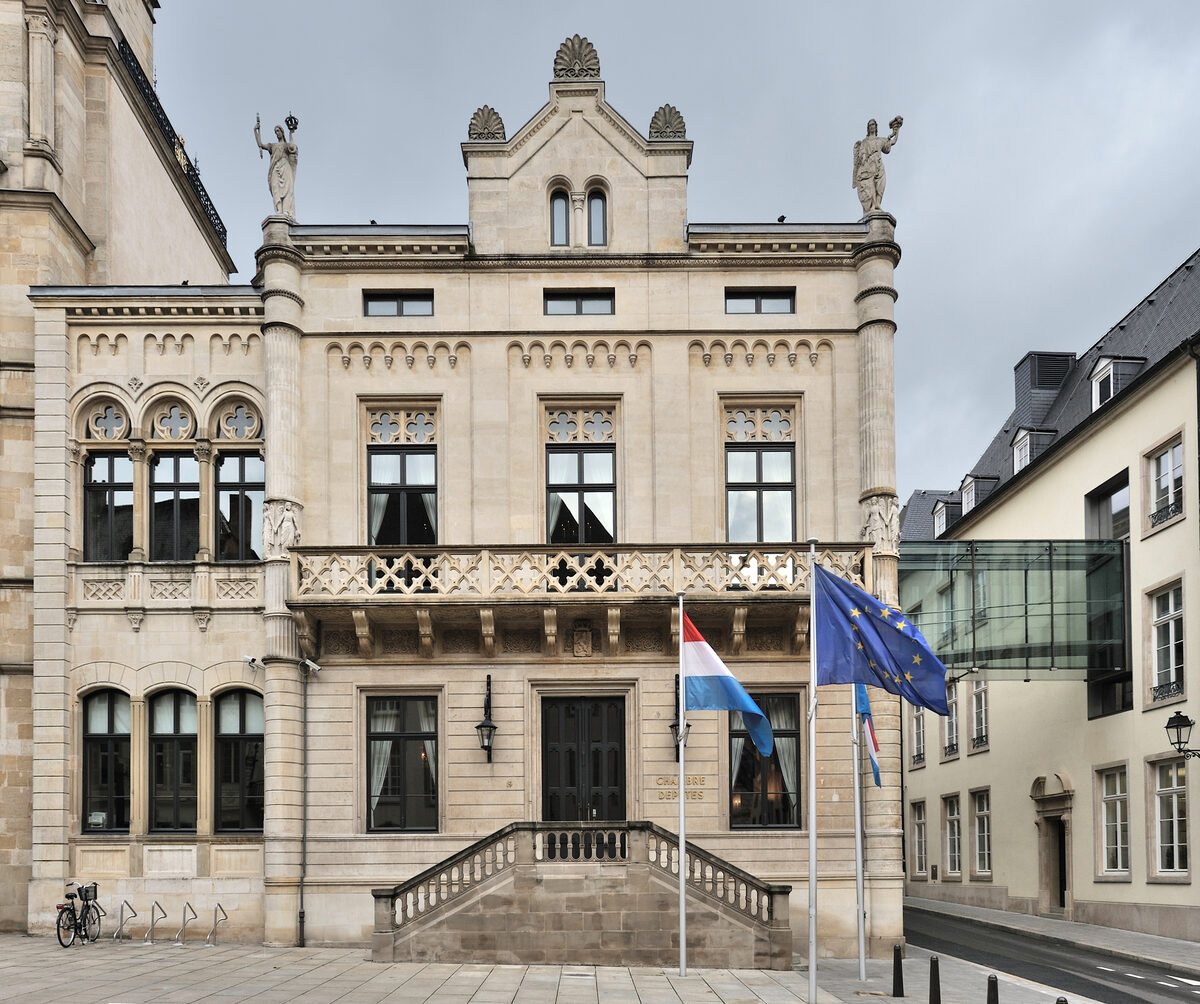
Luxembourg is one of the most international places in Europe, with a large expat majority in some sectors and multilingual administration, so newcomers rarely feel out of place. The routes are clear, run by the Immigration Directorate of the Ministry of Foreign and European Affairs, and much guidance is available in English via the national guichet.lu portal.
The real difficulty is not the process but the practicalities: Luxembourg is expensive and its housing market is extremely competitive, so the challenge is finding somewhere to live and affording it, not qualifying for residence.
The Residence Routes
Non-EU routes include the salaried worker permit, the EU Blue Card and highly qualified worker permits, self-employed and investor routes, and study and family-reunification permits. EU citizens simply exercise free movement and register.
Salary thresholds for skilled routes are updated, so confirm the current requirements for your route on guichet.lu or with the Immigration Directorate before applying. Luxembourg's strong finance and EU-institution economy drives demand for qualified professionals.

Arrival Declaration and Residence Permit
Third-country nationals typically obtain authorisation before arrival, then, after moving, make a declaration of arrival at their local commune and undergo a medical check as part of receiving the residence permit. These steps are well-defined and supported by clear official guidance.
Completing the declaration and medical check promptly is what finalises your residence status and lets banking, contracts and services proceed.
Languages and Daily Life
Luxembourg has three administrative languages — Luxembourgish, French and German — and English is widely used in international business. In practice, French is the most useful for daily life and administration for many newcomers, though the mix depends on your context.
This multilingualism is manageable, but functional French (or German) smooths administration and integration. SettleBuddy's Language Lab teaches the real situations of a move in the language you will actually use, helping you handle the commune, contracts and daily life in a genuinely multilingual country.
Cost, Housing and Settling In
Luxembourg has one of the highest costs of living in Europe, and housing is the sharpest pressure point — rents and prices are high and availability is limited, with many workers commuting from neighbouring France, Belgium or Germany. Landlords want a deposit and proof of income, and salaries are correspondingly high.
The payoff is a prosperous, safe, central-European base with excellent services. Secure your route, budget realistically for housing, and start your accommodation search early, and Luxembourg is one of the smoother — if pricey — European moves.
Where SettleBuddy comes in
SettleBuddy is the AI relocation engine for your whole move — language, visas, housing and career in one place, launching for every country. Language Lab is live now; Housing AI, Visa AI and Career AI are on the way.
Explore SettleBuddy →Key takeaways
- Luxembourg is clear and highly international; the real challenges are cost and a very tight housing market.
- Non-EU routes include salaried worker, EU Blue Card, highly qualified, self-employed, investor, study and family.
- After arrival, make a declaration of arrival at your commune and complete a medical check for your residence permit.
- Three administrative languages (Luxembourgish, French, German) plus widespread English; French is often most useful.
- Confirm current salary thresholds on guichet.lu or with the Immigration Directorate.
FAQ
Is it hard to move to Luxembourg?
The process is clear and Luxembourg is highly international, so the bureaucracy is relatively smooth. The real challenges are the very high cost of living and an extremely tight housing market — finding and affording accommodation is harder than qualifying for residence.
What residence routes does Luxembourg offer?
Non-EU routes include salaried worker, EU Blue Card, highly qualified worker, self-employed and investor routes, plus study and family reunification. EU citizens move freely and register. Confirm current salary thresholds on guichet.lu or with the Immigration Directorate.
What happens after I arrive?
Third-country nationals make a declaration of arrival at their local commune and undergo a medical check as part of receiving the residence permit. These steps are well-defined, and completing them promptly finalises your status so banking and contracts can proceed.
What language do I need in Luxembourg?
Luxembourg has three administrative languages — Luxembourgish, French and German — and English is widely used in international business. French is often the most useful for daily life and administration, though it depends on your context. Functional French or German helps.
Is Luxembourg expensive?
Yes, it has one of the highest costs of living in Europe, with housing the sharpest pressure — rents are high and availability is limited, so many commute from neighbouring countries. Salaries are correspondingly high; budget realistically and search for housing early.
Official sources
The regulated facts in this guide are drawn from official government sources. Rules and figures change — always confirm the current detail on the official page before you act.