How to Move to Belgium – Complete Relocation Guide
Moving to Belgium starts with choosing the right visa, registering at your local commune, and securing housing. Use SettleBuddy's Visa AI to match your profile, then follow official steps from the Immigration Office and Belgium.be. After registration, explore SettleBuddy's Housing AI, Career AI and Language Lab to settle quickly and thrive in your new home.
Quick answer
Moving to Belgium starts with choosing the right visa, registering at your local commune, and securing housing. Use SettleBuddy's Visa AI to match your profile, then follow official steps from the Immigration Office and Belgium.be. After registration, explore SettleBuddy's Housing AI, Career AI and Language Lab to settle quickly and thrive in your new home.
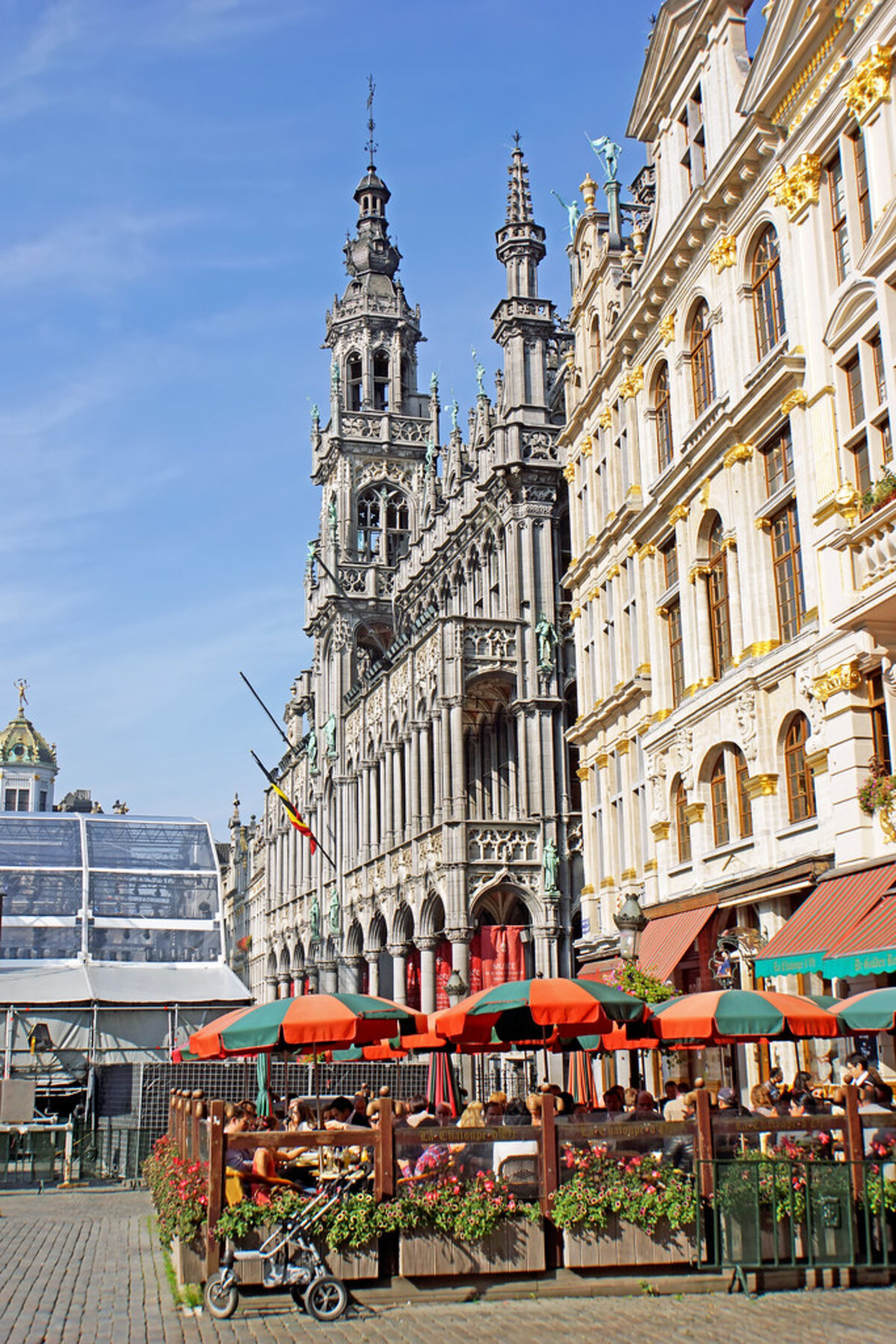
Why Choose Belgium for Your Next Chapter
Belgium offers a strategic location in the heart of Europe, a high standard of living, multilingual society, and a robust social safety net. Its three official languages—Dutch, French, and German—create a culturally rich environment that welcomes expatriates from all over the world. The country’s strong economy, world‑class education system, and vibrant tech hubs make it an attractive destination for professionals, families, and students alike, while its compact size ensures easy travel across neighboring nations.
Beyond economic opportunities, Belgium’s quality of life is supported by excellent public transport, affordable healthcare, and a diverse culinary scene ranging from Brussels’ famous chocolates to the coastal delights of Ostend. The nation also boasts a strong emphasis on work‑life balance, with generous vacation policies and family‑friendly policies that help newcomers integrate smoothly. Understanding these benefits helps you set realistic expectations and plan a move that aligns with your personal and professional goals.
SettleBuddy’s integrated platform simplifies the relocation journey by offering AI‑driven tools for visas, housing, careers, and language learning. By leveraging these resources early, you can reduce uncertainty, stay organized, and focus on the exciting aspects of starting a new life in Belgium. Remember, every successful move begins with clear information and a solid plan.
Visa Options Overview
Belgium’s immigration framework provides several pathways, each tailored to specific circumstances. The most common routes are the Single Permit (combining work and residence), the EU Blue Card for highly skilled professionals, the Professional Card for self‑employed entrepreneurs, study visas for students, and family reunification for spouses and dependents. Each option has distinct eligibility criteria, processing times, and documentation requirements, all overseen by the Immigration Office (Office des Etrangers / Dienst Vreemdelingenzaken).
The Single Permit is ideal for employees who have secured a job offer from a Belgian employer. It grants immediate work rights and residence, but the employer must first obtain a work permit from the relevant regional authority. The EU Blue Card targets highly qualified workers with a university degree and a contract meeting a regional salary threshold, which varies across Flanders, Wallonia, and Brussels. Applicants should verify the exact threshold on the official immigration portal before applying.
Self‑employed professionals can apply for a Professional Card, which requires a detailed business plan, proof of sufficient capital, and evidence of market demand. Students must be accepted by a recognized Belgian educational institution and demonstrate sufficient financial means. Family reunification permits spouses and minor children to join a resident, provided the sponsor meets income and housing standards. For each route, SettleBuddy’s Visa AI can help you identify the most suitable option based on your profile.
| Visa Type | Primary Eligibility | Key Requirement |
|---|---|---|
| Single Permit | Employee with Belgian job offer | Employer‑issued work permit & regional salary threshold |
| EU Blue Card | Highly qualified professional | University degree + contract meeting regional salary threshold |
| Professional Card | Self‑employed entrepreneur | Business plan, capital, market demand proof |
| Study Visa | Accepted student | Proof of enrolment & financial means |
| Family Reunification | Spouse/children of resident | Sponsor’s income & housing adequacy |

Applying for a Work Permit or Single Permit
The first step toward a Single Permit is securing a concrete job offer from a Belgian employer. Once you have the offer, the employer initiates the work‑permit request with the regional authority (Flanders, Wallonia, or Brussels). This process typically includes submitting the employment contract, proof of qualifications, and a labor‑market test confirming that no suitable candidate from the EU labor market is available. The employer receives a decision — the timeline varies (confirm the current timeline on the official source) on average, though timelines can vary by region.
After the work permit is approved, you submit a residence‑permit application to the Immigration Office, attaching the work‑permit decision, passport, proof of accommodation, and evidence of sufficient financial resources. The application fee is payable online; however, exact amounts can change, so you should verify the current fee on the Immigration Office website. Processing varies (confirm the current timeline on the official source), after which you receive a temporary residence card valid for one year, renewable upon continued employment.
If you are applying for the EU Blue Card, the steps are similar but require a higher salary threshold and a university degree. The employer still files a work‑permit request, but the Blue Card application is submitted directly to the Immigration Office with additional documentation, such as proof of qualifications and the specific salary level. SettleBuddy’s Visa AI can generate a personalized checklist, ensuring you gather every required document before submission.
Registering with Your Local Commune
Upon arrival, every new resident must register at the local commune (municipality) within eight days of moving in, as mandated by Belgium.be. This registration is essential for obtaining your official residence card, accessing healthcare, and opening a bank account. You will need to present a valid passport, proof of address (rental contract or property deed), and evidence of your visa status during the appointment.
The commune will conduct an address verification, often by a brief on‑site inspection or by confirming the rental contract details. After verification, you receive a registration certificate, which you use to apply for a biometric residence card at the municipal office or a designated police station. The card typically arrives — the timeline varies (confirm the current timeline on the official source), and you must collect it in person, presenting your registration certificate and passport.
During the registration process, you also declare your intended activity (employment, study, or family reunification). This information helps the authorities ensure you meet the appropriate income and housing standards. If any discrepancies arise, the commune may request additional documentation or a revised lease. SettleBuddy’s Housing AI can help you generate a lease that meets commune requirements, reducing the risk of registration delays.
Financial Requirements and Salary Thresholds
Belgium’s work‑permit system imposes regional salary thresholds that vary between Flanders, Wallonia, and Brussels. These thresholds are updated annually and differ for the Single Permit and EU Blue Card. Because the exact figures fluctuate, you should consult the Immigration Office’s official portal for the most recent numbers before submitting your application. The portal also outlines minimum income requirements for family reunification and self‑employment permits.
In addition to salary thresholds, newcomers must demonstrate sufficient financial means to support themselves without relying on public assistance. This includes proof of a bank account with adequate balance, a signed employment contract, or, for students, a scholarship or parental support letter. The amount required is not fixed in the official guidance, so checking the latest guidelines on Belgium.be is advisable. SettleBuddy’s Visa AI can flag any missing financial documentation before you apply.
Remember that the cost of living varies by region; Brussels and the Flemish capital, Antwerp, tend to be more expensive than smaller towns. While exact rent figures are not provided by official sources, budgeting for housing, utilities, transport, and taxes is essential. Use SettleBuddy’s Cost‑of‑Living calculator, which draws on up‑to‑date market data, to create a realistic budget and avoid surprises after arrival.
Finding a Home with SettleBuddy Housing AI
Securing suitable housing is a critical step that directly impacts your commune registration. SettleBuddy’s Housing AI streamlines the search by matching your preferences—budget, size, language area, and proximity to work or schools—with verified listings across Belgium. Because the AI filters out unverified sources, you can trust the results and focus on arranging viewings or virtual tours without sifting through countless unrelated platforms.
When you receive housing suggestions, the AI also checks whether the lease complies with local registration requirements, such as the inclusion of the landlord’s name, address, and duration of stay. This pre‑validation helps prevent common pitfalls that cause registration delays. After selecting a property, SettleBuddy can generate a standardized lease agreement that meets commune standards, ready for signing with your landlord.
Once the lease is signed, you can upload the document directly to your SettleBuddy dashboard. The platform then creates a checklist for the commune registration appointment, ensuring you have all required paperwork on hand. By using SettleBuddy’s Housing AI, you reduce the time spent on housing logistics, allowing you to focus on settling into your new community.
Healthcare and Social Security Enrollment
Belgium’s universal healthcare system requires every resident to register with a mutualité (health insurance fund) within three months of obtaining the residence card. The registration process involves presenting your residence card, proof of address, and a copy of your employment contract or proof of income. After enrollment, you receive a health insurance card that grants access to doctors, hospitals, and reimbursable prescriptions.
In addition to health insurance, you must join the national social security system, which covers pensions, unemployment benefits, and family allowances. Your employer typically handles the initial registration for employees, submitting your details to the National Social Security Office (ONSS). Self‑employed individuals must register directly and provide evidence of professional activity and income. Detailed guidance is available on the Immigration Office website, and SettleBuddy’s Career AI can remind you of upcoming deadlines.
If you have dependents, they are automatically covered under your health insurance once they are added to your residence card. However, you may need to provide additional documentation, such as birth certificates and marriage certificates, to the mutualité. SettleBuddy’s Visa AI tracks these documents, prompting you to upload them before your appointment, thereby avoiding delays in receiving full coverage.
Mastering the Languages with SettleBuddy Language Lab
Belgium’s three official languages—Dutch, French, and German—mean that language proficiency can greatly influence your integration and career prospects. SettleBuddy’s Language Lab offers tailored courses for each language, focusing on everyday conversation, workplace terminology, and cultural nuances. The platform’s adaptive AI assesses your current level and creates a personalized study plan, ensuring efficient progress.
The Language Lab also provides interactive practice with native speakers through video calls, enabling you to apply new vocabulary in realistic scenarios. For newcomers in Brussels, a bilingual approach (French and Dutch) is often advantageous, while Flemish regions favor Dutch and Walloon regions favor French. SettleBuddy’s recommendation engine suggests the most relevant language based on your chosen city and professional sector.
Consistent practice is key; the Lab’s daily reminders and gamified quizzes keep motivation high. Additionally, the platform tracks your certification readiness, helping you prepare for official language exams such as the Dutch “Staatsexamen” or French “DELF.” Achieving a recognized language level can improve job prospects and ease everyday tasks like shopping, banking, and navigating public services.
Launching Your Career with SettleBuddy Career AI
Finding a job in Belgium is smoother when you understand the local labor market. SettleBuddy’s Career AI analyzes your résumé, skill set, and preferred industry, then matches you with openings that meet your criteria. The AI also highlights any regional licensing or certification requirements, ensuring you are aware of additional steps before applying to regulated professions such as engineering or healthcare.
Beyond job matching, the platform offers interview preparation, CV localization (adapting your résumé to Belgian standards), and networking tips for connecting with local professional groups. For expatriates, understanding the differences between French‑speaking Wallonia and Dutch‑speaking Flanders can be crucial; Career AI tailors its recommendations based on the region you plan to reside in.
Once you secure an offer, SettleBuddy assists with the employer’s work‑permit paperwork, streamlining the coordination between your future employer and the regional authority. This integration reduces the risk of missed documents and accelerates the issuance of your Single Permit, allowing you to start work promptly.
Daily Life Essentials: Banking, Transport, and Culture
Opening a Belgian bank account is essential for receiving salary, paying rent, and handling everyday expenses. After obtaining your residence card, you can visit any major bank (e.g., BNP Paribas Fortis, ING) with your passport, residence card, and proof of address. Some banks also allow online account opening, but a physical visit often speeds up the process. SettleBuddy’s relocation checklist reminds you of the documents needed, reducing the chance of a rejected application.
Public transport in Belgium is extensive and reliable. The national railway (SNCB/NMBS) connects major cities, while regional buses and trams serve local areas. Purchasing a monthly “Mobib” card or a multi‑modal pass can offer significant savings. For cyclists, many cities provide dedicated bike lanes and public bike‑share schemes. Understanding the transport zones and fare structures early helps you budget accurately and avoid unexpected costs.
Cultural integration is enriched by Belgium’s festivals, culinary traditions, and community events. Whether you enjoy the vibrant Brussels carnival, the historic Ghent medieval fair, or the chocolate festivals in Bruges, participating in local celebrations builds social connections. SettleBuddy’s community hub connects you with fellow expatriates and locals, offering meet‑ups, language exchange groups, and hobby clubs that accelerate your sense of belonging.
Common Pitfalls and Next Steps
One frequent mistake is overlooking regional differences in salary thresholds and language requirements, which can lead to visa rejections or delayed processing. Always verify the latest figures on the Immigration Office portal and adapt your application accordingly. Another pitfall is failing to register at the commune within the eight‑day window, which can result in fines and hinder access to healthcare and banking services.
Missing or incomplete documentation is another common issue. Ensure you have a complete set of passport copies, visa approvals, employment contracts, lease agreements, and proof of financial means before any appointment. SettleBuddy’s Visa AI automatically checks for missing items and generates alerts, helping you avoid costly resubmissions. Additionally, keep copies of all submissions and receipts for future reference.
Finally, remember that the relocation process does not end with the residence card. Ongoing compliance—such as renewing work permits, updating address changes, and maintaining health insurance—requires vigilance. SettleBuddy’s dashboard offers calendar reminders for renewal dates and provides step‑by‑step guides for each renewal process. By staying organized and using the platform’s AI tools, you can enjoy a smooth, stress‑free transition to life in Belgium.
Where SettleBuddy comes in
SettleBuddy is the AI relocation engine for your whole move — language, visas, housing and career in one place, launching for every country. Language Lab is live now; Housing AI, Visa AI and Career AI are on the way.
Explore SettleBuddy →Key takeaways
- Choose the correct visa route—Single Permit, EU Blue Card, Professional Card, study, or family reunification—based on your profile.
- Register at your local commune within eight days of arrival to obtain a residence card and access essential services.
- Use SettleBuddy’s Housing AI to find compliant rentals and streamline the commune registration process.
- Enroll in a health insurance fund and social security promptly to secure healthcare and benefits.
- Leverage SettleBuddy’s Language Lab, Career AI, and Visa AI for language learning, job hunting, and visa compliance.

FAQ
What is the difference between a Single Permit and an EU Blue Card?
A Single Permit combines work and residence rights for employees with a Belgian job offer, requiring a regional work‑permit and meeting a salary threshold that varies by region. The EU Blue Card targets highly qualified professionals with a university degree and a contract that exceeds a higher, region‑specific salary threshold. Both permit residence, but the Blue Card offers greater mobility within the EU and may lead to faster permanent residency after five years.
How long does it take to receive a Belgian residence card after registration?
After you register at your local commune and provide the required documents, the commune issues a registration certificate, which you use to apply for a biometric residence card. Processing varies (confirm the current timeline on the official source), though timelines can vary based on the municipality’s workload. You will be notified when the card is ready for collection in person.
Do I need to speak Dutch or French to live in Belgium?
While there is no legal requirement to speak a local language, proficiency in Dutch (Flanders) or French (Wallonia and Brussels) greatly eases daily life, job hunting, and integration. SettleBuddy’s Language Lab offers personalized courses for each language, helping you reach conversational level quickly. Learning the relevant language also improves your chances of passing any professional licensing exams.
Can I bring my family with me on a work visa?
Yes, family reunification is possible for spouses and minor children of a permit holder, provided the sponsor meets income and housing standards set by the Immigration Office. The family members must apply for their own residence permits, and the process typically runs in parallel with the principal applicant’s visa. SettleBuddy’s Visa AI tracks the required documents for each family member.
What should I do if my work permit is denied?
If a work permit is denied, review the official rejection notice for specific reasons, which may involve salary thresholds, missing qualifications, or incomplete documentation. You can appeal the decision within the timeframe indicated by the Immigration Office, or explore alternative visa routes such as the EU Blue Card or Professional Card. Consulting a licensed immigration attorney is advisable for complex cases.
Official sources
The regulated facts in this guide are drawn from official government sources. Rules and figures change — always confirm the current detail on the official page before you act.