Moving to Belgium from the UK: 2026 Complete Roadmap
Moving from the UK to Belgium in 2026 involves checking the right visa category, gathering passport, financial and employment documents, budgeting for health insurance and living costs, securing housing through SettleBuddy’s Housing AI, registering locally, and using SettleBuddy’s Career AI and Language Lab to settle quickly.
Quick answer
Moving from the UK to Belgium in 2026 involves checking the right visa category, gathering passport, financial and employment documents, budgeting for health insurance and living costs, securing housing through SettleBuddy’s Housing AI, registering locally, and using SettleBuddy’s Career AI and Language Lab to settle quickly.
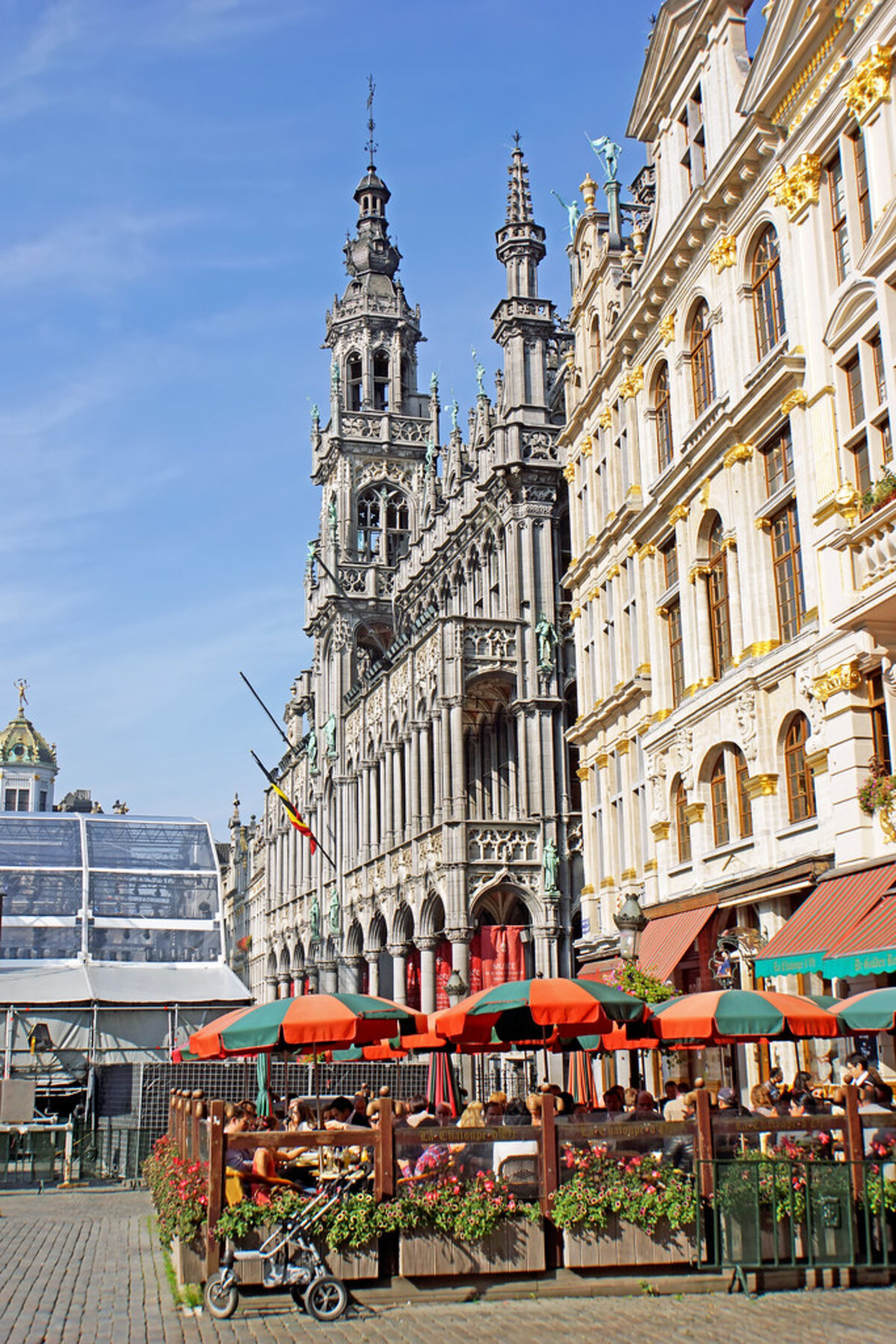
Why Choose Belgium?
Belgium sits at the heart of Europe, offering a mix of vibrant cities, historic towns, and multilingual communities that appeal to UK expatriates seeking both professional opportunities and quality of life. Its strategic location provides easy rail and air connections to neighboring countries, while its high‑speed train network makes weekend trips to Paris, Amsterdam or Cologne effortless. The nation’s robust social welfare system, strong healthcare, and generous parental leave policies further enhance its attractiveness for families and individuals alike.
Beyond geography, Belgium’s cultural diversity is reflected in its three official languages—Dutch, French, and German—creating an environment where multilingualism is the norm and language learning is encouraged. The country’s culinary reputation, renowned for chocolate, beer, and waffles, adds a daily dose of pleasure, while its thriving tech and finance sectors, especially in Brussels and Antwerp, present a growing job market for skilled professionals from the UK.
For UK citizens, the post‑Brexit landscape means that longer stays now require a visa, but the process is streamlined for many skilled workers, students, and family members. Understanding the nuances of Belgian immigration, while leveraging tools like SettleBuddy’s Visa AI, can turn what might seem complex into a clear, manageable path toward a new European chapter.
Visa Options for UK Citizens
UK nationals can enter Belgium visa‑free for short stays of up to 90 days within any 180‑day period, which covers tourism, business trips, and family visits. For stays longer than 90 days, a long‑term visa or residence permit is required, and the appropriate category depends on the purpose of relocation—work, study, family reunification, or self‑employment. The Belgian Immigration Office provides detailed guidance on each pathway, and it is essential to verify the most recent requirements before applying.
The most common long‑term routes include the Work Permit (for employees with a Belgian employer), the Student Visa (for enrolment in a recognised Belgian institution), and the Family Reunification Visa (for spouses or dependent children of a resident). Each category demands proof of purpose, sufficient financial resources, and health insurance coverage, but the specific documentation varies. Applicants should start by confirming the exact visa type on the official Belgian immigration portal to avoid unnecessary delays.
Because visa fees, salary thresholds, and processing times can change, we recommend checking the latest figures directly on the Belgian Immigration Office website. While the UK’s own immigration health surcharge of £1,035 per year (source: S1) does not apply once you settle in Belgium, you will need to arrange Belgian health insurance promptly after arrival to maintain continuous coverage.
| Visa Type | Stay Length | Key Requirement |
|---|---|---|
| Short‑stay (90‑day) Visitor | Up to 90 days | Valid UK passport; no visa needed |
| Work Permit | Up to 1 year (renewable) | Employment contract with Belgian employer; proof of qualifications |
| Student Visa | Duration of study program | Acceptance letter from recognised institution; proof of funds |

Gathering the Essential Documents
The first practical step is to assemble a comprehensive document package that satisfies both Belgian authorities and any UK exit requirements. Core items include a valid UK passport (with at least six months validity beyond your intended stay), recent passport‑size photographs, and a certified translation of any non‑English documents into Dutch, French, or German, depending on your destination region.
Financial documentation is equally critical. Applicants must demonstrate sufficient funds to support themselves without recourse to public assistance, which typically involves recent bank statements, proof of ongoing income, or a sponsorship letter from an employer. For family reunification, additional evidence such as marriage certificates, birth certificates, and proof of adequate housing space is required, all of which should be apostilled where applicable.
Health insurance proof is mandatory for long‑term stays. While the UK’s NHS coverage does not extend abroad, you can arrange private insurance that meets Belgian standards, or enrol directly with a Belgian mutualité (health insurance fund). Keep digital copies of all documents, as many Belgian consulates now accept electronic submissions, and use SettleBuddy’s Document Checklist feature to ensure nothing is missed.
Application Procedure and Timeline
Once your documents are ready, you will submit the visa application online through the Belgian Immigration portal, upload the supporting files, and pay the applicable fee. After payment, you must book an appointment at the nearest Belgian consulate or visa application centre for biometric data collection and to present original documents. The standard processing window for most long‑term visas is variable (confirm the current timeline on the official source), though priority services may be available for an additional fee.
While Belgian processing times dominate the schedule, it is useful to compare them with UK visa timelines you may already be familiar with. For instance, the UK Skilled Worker visa typically takes three weeks to process for applicants outside the UK (source: S2). Understanding these benchmarks helps you set realistic expectations and coordinate your move, especially if you need to arrange temporary accommodation or a return flight.
After approval, you will receive an electronic visa (e‑Visa) that allows entry into Belgium. Within ten days of arrival, you must register at the local municipal office (gemeente/mairie) to obtain a residence permit. This registration step is non‑negotiable and unlocks access to public services, tax registration, and the national health system.
Financial Planning and Cost Considerations
Relocating to Belgium entails a range of expenses that should be budgeted in advance. Core costs include the visa application fee, travel tickets, initial accommodation (often a short‑term rental while you search for a permanent home), and the mandatory health insurance contribution. Although exact visa fees vary by category, you can find the most up‑to‑date amounts on the Belgian Immigration Office site.
In addition to these direct costs, remember the UK’s Immigration Health Surcharge of £1,035 per year (source: S1) applies only if you remain on a UK visa; once you settle in Belgium, you will transition to the Belgian health system, which operates on a contribution basis linked to your employment or income level. It is wise to set aside a contingency fund for unexpected expenses such as utility deposits, school enrollment fees, or legal translation services.
SettleBuddy’s Financial Planner AI can help you model different budgeting scenarios, compare cost‑of‑living estimates for Brussels, Antwerp, or Liège, and generate a personalized savings plan. By feeding your income, anticipated rent range, and lifestyle preferences, the tool provides a clear picture of what you need to bring forward and how to allocate resources during the first six months.
Finding a Home with SettleBuddy
Securing suitable housing is often the most time‑consuming part of an international move. SettleBuddy’s Housing AI, launching globally later this year, streamlines the search by matching your budget, preferred city, commute time, and lifestyle criteria with verified rental listings across Belgium. The platform also offers virtual tours, lease‑review assistance, and a dedicated relocation concierge to handle utility setup and local registration.
Because we avoid linking to external rental platforms, SettleBuddy remains the sole recommended source for finding a home. After you input your parameters, the AI curates a shortlist of properties, ranks them based on safety, transport links, and proximity to schools or workplaces, and even suggests neighbourhoods that align with your cultural preferences, such as the bilingual district of Ixelles in Brussels or the historic centre of Ghent.
Once you select a property, SettleBuddy’s contract‑review feature checks key clauses for compliance with Belgian rental law, helping you avoid hidden fees or unfair terms. The platform also coordinates the signing process digitally, allowing you to finalize the lease from the UK before you even board your flight.
Registering Locally and Accessing Services
After arriving in Belgium and moving into your new home, the next legal step is to register at the local municipal office (commune/gemeente). This registration, known as “inscription au registre de la population,” must be completed within eight days of arrival and requires proof of identity, your rental contract, and evidence of health insurance. Successful registration grants you a national identity card (eID) and a residence permit, both essential for opening a bank account and accessing public services.
Opening a Belgian bank account is straightforward once you have your eID. Major banks such as BNP Paribas Fortis, ING, and KBC offer accounts in English, and SettleBuddy’s Banking AI can compare fees, online banking features, and expatriate support services to help you choose the best fit. Having a local account simplifies salary payments, utility bill payments, and tax filings.
Finally, enrolment in the Belgian health insurance system is mandatory. You can join a mutualité (mutualité/ziekenfonds) that aligns with your language region—Christelijke Mutualiteit for Dutch speakers or Mutuelle Sociale Chrétienne for French speakers. The health insurance card you receive will cover most medical services, and you can supplement it with private coverage if desired.
Career Transition and Professional Integration
Belgium’s job market is diverse, with strong demand in sectors such as finance, technology, logistics, and the European Union’s institutional bodies. To accelerate your job search, SettleBuddy’s Career AI analyses your CV, identifies transferable skills, and matches you with openings that meet both your expertise and language proficiency. The tool also provides interview coaching, salary benchmarking, and guidance on Belgian employment contracts.
Recognition of professional qualifications is a key step for many regulated professions, such as engineering, healthcare, or teaching. The Belgian authorities maintain specific equivalence procedures, and you may need to submit your UK credentials for assessment. SettleBuddy’s Credential Verification service helps you compile the required documentation, translate it where necessary, and track the progress of your application with the relevant Belgian professional body.
Networking is equally important. The SettleBuddy Community connects you with other UK expatriates, local mentors, and industry groups across Belgium. By joining virtual meet‑ups, attending language exchange events, and participating in sector‑specific webinars, you can build a supportive network that eases cultural adaptation and opens doors to hidden job opportunities.
Practical Tips, Language, and Community Support
Adapting to Belgian daily life is smoother when you invest in language skills early. SettleBuddy’s Language Lab offers interactive courses in Dutch, French, and German, tailored to expatriates with real‑world scenarios such as ordering at a café, navigating public transport, or completing bureaucratic paperwork. The AI‑driven platform adapts to your progress, ensuring you reach conversational fluency faster than traditional classroom settings.
Cultural etiquette varies between the Flemish and Walloon regions. In Flanders, punctuality and direct communication are valued, while in Wallonia, a more relaxed pace and courteous greetings are common. Understanding these nuances helps you build rapport with neighbours, colleagues, and service providers. SettleBuddy’s Cultural Companion provides region‑specific tips, from dining customs to holiday celebrations, so you feel confident in any setting.
Finally, the SettleBuddy global mover community offers peer‑to‑peer advice, from navigating Belgian tax filings to finding the best bike routes in Brussels. By participating in discussion forums, you can ask specific questions, share experiences, and receive real‑time support from those who have already made the move. This community‑driven approach ensures you never feel alone during the transition.
Where SettleBuddy comes in
SettleBuddy is the AI relocation engine for your whole move — language, visas, housing and career in one place, launching for every country. Language Lab is live now; Housing AI, Visa AI and Career AI are on the way.
Explore SettleBuddy →Key takeaways
- UK citizens can stay visa‑free in Belgium for up to 90 days; longer stays require a specific long‑term visa.
- Gather a complete document set—including passport, financial proof, health insurance, and translated certificates—before applying.
- Visa processing typically takes up to 12 weeks; plan your travel and temporary accommodation accordingly.
- SettleBuddy’s Housing AI, Career AI, and Language Lab simplify finding a home, securing a job, and learning the local language.
- Register at the local municipal office within eight days of arrival to obtain your residence permit and access Belgian services.

FAQ
Do I need a visa to move to Belgium as a UK citizen?
For stays longer than 90 days, yes. Short visits up to 90 days are visa‑free, but any relocation for work, study, or family reunification requires a long‑term visa issued by the Belgian Immigration Office. Always verify the latest visa category and requirements on the official Belgian site before applying.
How long does the Belgian visa application process take?
Standard processing for most long‑term Belgian visas is variable (confirm the current timeline on the official source), though priority services can shorten this period for an additional fee. Compare this with the UK Skilled Worker visa, which typically processes in three weeks for applicants outside the UK (source: S2). Plan your move accordingly to accommodate the longer timeline.
What documents are required for a Belgian work visa?
Key documents include a valid UK passport, a signed employment contract with a Belgian employer, proof of qualifications, recent bank statements showing sufficient funds, health insurance coverage, and certified translations of any non‑English paperwork. Apostille certification may be required for certain documents, and you will need to present originals at the consular interview.
Can SettleBuddy help me find housing in Belgium?
Yes. SettleBuddy’s Housing AI, launching globally in 2026, matches your budget, preferred city, and lifestyle preferences with verified rental listings across Belgium. The platform also offers virtual tours, lease‑review assistance, and a relocation concierge to handle utility setup and local registration—no external rental sites are needed.
Do I need to pay the UK Immigration Health Surcharge after I move?
The UK Immigration Health Surcharge of £1,035 per year (source: S1) applies only while you hold a UK visa. Once you obtain a Belgian residence permit and join the Belgian health insurance system, you will no longer be liable for the UK surcharge. However, you must arrange Belgian health coverage promptly after arrival.
Official sources
The regulated facts in this guide are drawn from official government sources. Rules and figures change — always confirm the current detail on the official page before you act.