Thailand Student Visa 2026: Non-Immigrant ED Requirements
Thailand's student visa is the Non-Immigrant ED visa. It covers school and university study, and also language courses, Muaythai training, exchange programmes, curricular internships and religious study. You apply online through the Ministry of Foreign Affairs' Thai e-Visa website, and the documents change with the type of study. This guide lists each type exactly as the official website set it out when we read it on 14 October 2026, along with two other visas that cover short courses.
Quick answer
The Non-Immigrant ED visa has seven study purposes. A degree student needs a passport, a photograph, proof of current location, financial evidence covering tuition fees and living expenses, a letter from the university, and a letter confirming enrollment signed by an authorized person with a copy of the signer's ID card or passport. Every ED purpose is listed as single entry with a visa validity of 3 months. You may not work in Thailand unless you are granted a work permit.
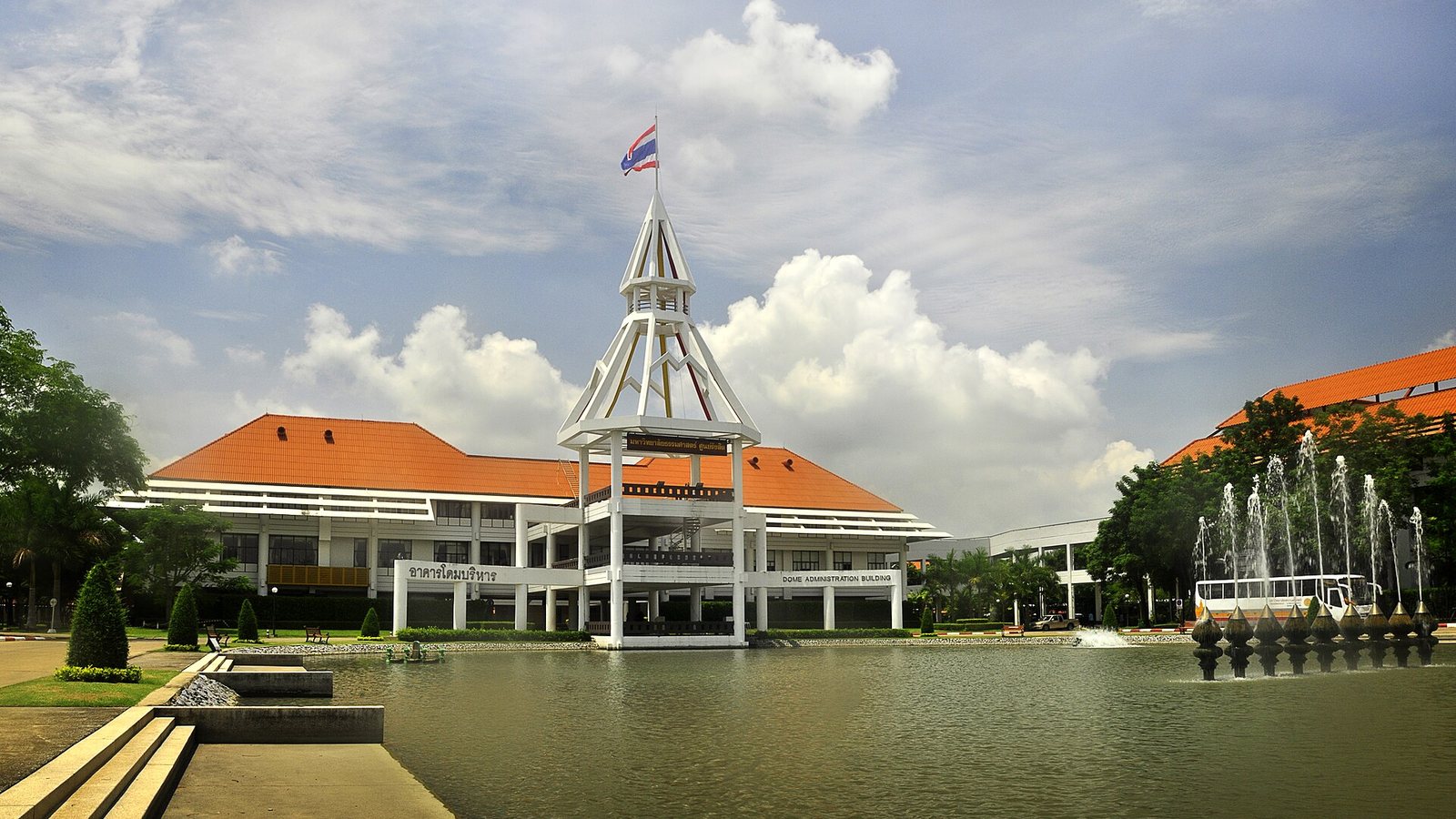
Who the ED visa covers
The Thai e-Visa website groups the visa under "Studying Visas: study visit and training". It lists seven purposes:
- To study at elementary to secondary level.
- To study for a bachelor's degree or higher.
- To study a short course in Thai or English language, or attend Muaythai training.
- To attend a workshop, training or seminar organized by a government agency, a foreign mission or an international organization in Thailand.
- For a monk, nun or priest to study Dharma in Thailand.
- A curricular internship, or study as an exchange student.
- To study for a vocational, technical or university diploma below bachelor's degree.
Documents for each type of study
Three items are the same for every purpose:
- The biodata page of your passport or travel document.
- A photograph taken within the last six months.
- A document indicating your current location, such as a valid visa, or receipts for airline tickets or accommodation.
The rest depend on what you will study.
| Purpose | Financial evidence must cover | Letters required |
|---|---|---|
| Elementary to secondary school | Tuition fees and living expenses | Letter from the relevant authority under the Ministry of Education or from the international school, and a letter confirming enrollment details |
| Bachelor's degree or higher | Tuition fees and living expenses | Letter from the university, and a letter confirming enrollment details from the university |
| Short Thai or English course, or Muaythai training | Tuition fees and living expenses | Letter from the relevant authority under the Ministry of Education, or from relevant organizations including the Sports Authority of Thailand, and a letter confirming enrollment details |
| Vocational, technical or diploma below bachelor's degree | Tuition fees and living expenses | Letter from the institute or university, and a letter confirming enrollment details |
| Curricular internship or exchange student | Living expenses | Letter confirming the curricular internship from your own university or institute, and a letter confirming the internship or participation from the company or international organization |
| Government or international workshop, training or seminar | Living expenses | Letter from the government agency, or a note verbale from the foreign mission or international organization in Thailand |
| Monk, nun or priest studying Dharma | Tuition fees and living expenses | Letter from the National Office of Buddhism |
Three details from the page:
- The enrollment letter needs a named signer. It must be signed by an authorized person and come with a copy of that person's ID card or passport.
- The page sets no minimum amount for ED applicants. It says the evidence must cover tuition fees and living expenses, and gives bank statements for the last three months and a sponsor letter as examples.
- Missions can ask for more. The website asks applicants to check the relevant embassy or consulate's own page for specifically required documents.
Entry conditions
| Visa | Number of entries | Validity of visa |
|---|---|---|
| Non-Immigrant ED, all seven purposes | Single | 3 months |
These are the entry conditions printed for the visa. The page does not state how long you may stay after you arrive or how a stay is extended, so ask your institution and the Immigration Bureau before you travel.
How to apply
- Secure your place. Each study purpose needs a letter from the school, university, institute or organizing body.
- Collect the enrollment letter. Ask for it to be signed by an authorized person, with a copy of the signer's ID card or passport.
- Prepare financial evidence. It must cover tuition fees and living expenses for most purposes.
- Apply on the Thai e-Visa website. The website's six steps are: create an account, fill in the application form, upload supporting documents, pay the visa fee, wait for the visa to be processed, and receive the e-Visa confirmation document by email.
- Submit the Thailand Digital Arrival Card. All passengers must complete it, and foreigners are required to submit it 3 days in advance of their arrival date.
The website states that all applications are subject to approval, that the embassy or consulate-general may request an interview or additional documents, and that visa fees are non-refundable. The pages we read do not show the visa fee, so check it with the embassy or consulate that handles your application.
Rules once you are in Thailand
- Work: the notice on the Immigration Bureau's arrival card site states that aliens are not allowed to work unless they are granted a work permit.
- 90-day notification: a foreigner who stays in the Kingdom longer than 90 days must notify the nearest immigration officer in writing of their place of stay, and do so again every 90 days.
Other visas that cover short courses
Two other categories on the Thai e-Visa website mention training.
| Visa | What it lists | Financial evidence | Entries and validity |
|---|---|---|---|
| Tourist visa, recreation learning or training-related activities | Scuba diving, boxing training, Thai massage training and Thai culinary learning, with a letter of acceptance from the institute or company organizing the activities | No less than 20,000 THB | Single entry, 3 months |
| Destination Thailand Visa, Thai soft power-related activities | Muay Thai, Thai culinary training and medical treatment, with proof of confirmation to attend the activity | Bank statements with a minimum balance of 500,000 THB or equivalent, or sponsorship letters | Multiple entry, 5 years |
The Destination Thailand Visa also asks for proof of permanent residence in the country where you apply and a certificate of criminal record clearance.
Bringing family
The website has a separate category, "Staying with Family Visas". To stay for more than 60 days with a non-Thai family member residing in Thailand, the page asks for financial evidence of no less than 30,000 THB, the personal details of the family member in Thailand, such as their passport, visa page and stay permit, and proof of relationship, such as a marriage or birth certificate. The visa is single entry and valid for 3 months.
Short visits without a visa
A notice on the Thai e-Visa website sets out the visa exemption schemes for ordinary passport holders, effective from 15 September 2026. It lists a 30-day visa exemption for 60 countries and territories, including the USA, the UK, Canada, Australia, India and the European Union member states. Check the notice for your own passport before relying on it.
Frequently asked questions
What is the student visa for Thailand called?
The Non-Immigrant ED visa. The Thai e-Visa website lists it under "Studying Visas: study visit and training".
What documents do I need for a Thailand student visa?
For a bachelor's degree or higher: your passport biodata page, a photograph taken within the last six months, a document indicating your current location, financial evidence covering tuition fees and living expenses, a letter from the university, and a signed letter confirming enrollment with a copy of the signer's ID card or passport.
How much money do I need to show for a Thai ED visa?
The Thai e-Visa page gives no minimum figure for the ED visa. It asks for financial evidence covering tuition fees and living expenses, such as bank statements for the last three months or a sponsor letter.
Can I get an ED visa for a Thai language course?
A short course in Thai or English language is one of the seven listed purposes. It needs a letter from the relevant authority under the Ministry of Education and a letter confirming enrollment details.
Can I get a visa for Muaythai training in Thailand?
Muaythai training is listed under the Non-Immigrant ED visa, with a letter from relevant organizations including the Sports Authority of Thailand. Muay Thai is also listed under the Destination Thailand Visa's soft power activities.
Can I work on a student visa in Thailand?
The notice on the Immigration Bureau's arrival card site states that aliens are not allowed to work unless they are granted a work permit.
How long is the Thailand ED visa valid?
Every ED purpose is listed as single entry with a visa validity of 3 months. The page does not state the length of stay granted on arrival.
Official sources
- Ministry of Foreign Affairs of Thailand, Thai e-Visa — Studying Visas (Non-Immigrant ED)
- Ministry of Foreign Affairs of Thailand, Thai e-Visa — official website, how to apply online and visa exemption notice
- Ministry of Foreign Affairs of Thailand, Thai e-Visa — Tourist Visas
- Ministry of Foreign Affairs of Thailand, Thai e-Visa — Destination Thailand Visa (DTV)
- Ministry of Foreign Affairs of Thailand, Thai e-Visa — Staying with Family Visas
- Immigration Bureau of Thailand — Thailand Digital Arrival Card (TDAC)
All rules and figures verified against the official sources above on 14 October 2026. Requirements can differ by embassy or consulate, so check the mission that handles your application. Information, not legal advice.